


Foods that reduce inflammation are one of the strongest tools you have outside the pharmacy. What you put in your grocery cart can calm your body or keep it on high alert, day after day.
That matters because chronic inflammation is linked to cancer, heart disease, diabetes, arthritis, depression, and Alzheimer’s. Some choices feed the problem, such as fried snacks, sugary sodas, and processed meats. Others help settle it.

You will get seven food choices, each with an easy way to eat it. Keep in mind that your overall diet matters more than any one food. First, it helps to know what inflammation is and when it starts.
Key Takeaways
- Chronic inflammation is tied to heart disease, diabetes, cancer, and arthritis.
- Seven food groups can help calm inflammation.
- Fried foods, sugary drinks, and processed meats can push it the other way.
- Unsweetened tea, coffee, and water are easy drink choices.
- Steady habits work better than any quick fix.
- See a doctor if pain, swelling, or fatigue lasts.
1. What Inflammation Is and When It Starts in Your Body
Inflammation is your body’s response to injury and infection. When bacteria, toxins, pollen, or a wound threaten you, damaged tissue releases chemicals that tell white blood cells to start repairing the area.
This short-term response is useful. Without it, a bee sting, a broken bone, or a cold would go unchecked. Chronic inflammation is inflammation that lingers day after day even when no injury or infection is present.
Inflammation that helps you heal is normal. Inflammation that never switches off is the kind that raises your risk of disease.
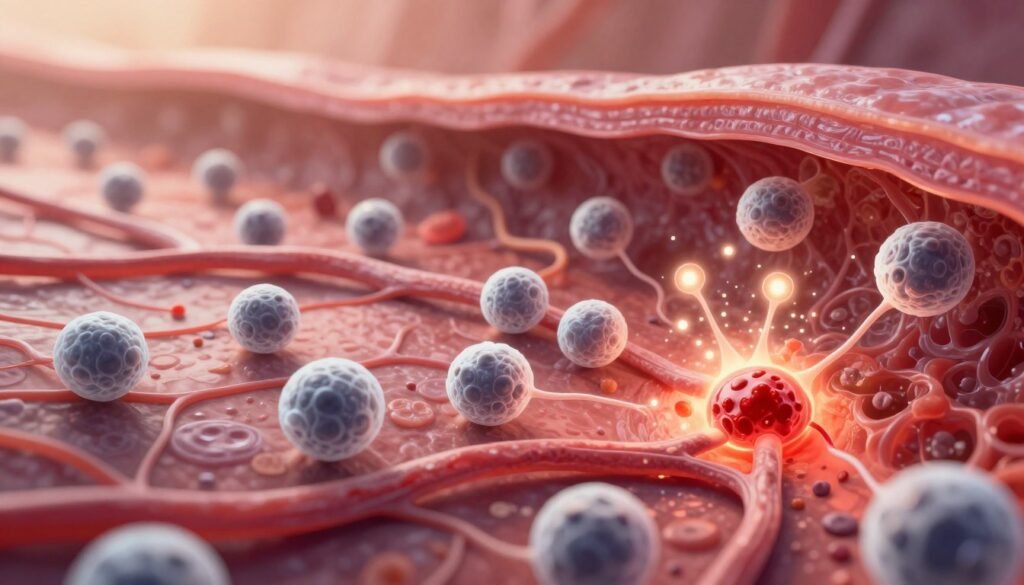
The biggest cause of chronic inflammation is a persistent trigger. That can be ongoing exposure to irritants, excess weight, stress, or a poor diet. Sometimes food itself acts as the threat. An infection such as Salmonellosis can also set off a strong immune response.
Over time, chronic inflammation can help build plaque in your arteries, which raises the risk of heart disease and stroke. It is also tied to cancer and diabetes. Arthritis pain and irritable bowel bloating can flare after inflammatory foods.
Common signs include joint pain or stiffness, fatigue, swelling, digestive upset, skin rashes, or frequent infections. See a doctor if these last. Diet is one of the few factors you control.
2. 7 Foods That Reduce Inflammation
The seven anti-inflammatory foods to start with are fatty fish, olive oil, leafy greens, berries and tomatoes, nuts and seeds, whole grains, and beans with herbs and spices. A 2024 review of anti-inflammatory diets describes a similar pattern: eat less red and processed meat.
No single food cures disease. Use this list of anti-inflammatory foods as a set of top anti-inflammatory foods to put on your list, and choose them fresh and minimally processed.
Fatty fish and olive oil
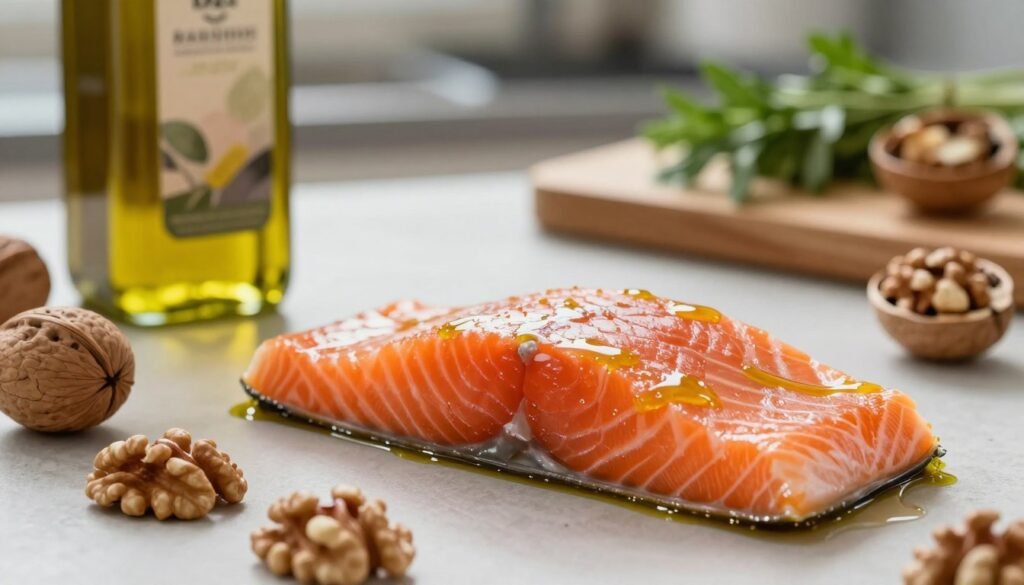
1. Fatty fish such as salmon, mackerel, tuna, and sardines give you omega-3 fats. Bake salmon twice a week or add sardines to toast.
2. Olive oil has polyphenols, which are plant compounds that help calm inflammation. Use it in place of sunflower, corn, and soybean oils.
Leafy greens, berries, and tomatoes
3. Spinach, kale, and collards are easy to stir into eggs, soups, or pasta.
4. Blueberries, strawberries, cherries, and oranges add color and polyphenols. Tomatoes give you lycopene, and cooking them with olive oil helps.
Nuts, seeds, and whole grains
5. Walnuts and almonds are linked with lower markers of inflammation and a lower risk of cardiovascular disease and diabetes. Flax, chia and hemp seeds work well in yogurt.
6. Whole grains include oats, quinoa, brown rice, rye and millet. Swap them for white bread and white rice.
Beans, herbs and spices
7. Beans and lentils fill you up, and ginger, garlic, turmeric, cinnamon and rosemary add flavor without salt.
A common mistake is leaning on one food while the rest of your diet stays processed. A daily handful of walnuts cannot cancel out fried lunches. Next, look at what you drink and which nutrients help.
3. Drinks and Vitamins That Help Fight Inflammation
Water, unsweetened tea, and coffee are the simplest drinks to start with. Green tea, herbal tea, and coffee contain polyphenols and are linked with lower inflammation, so they are a good answer to what you can drink to reduce inflammation.
Flavored coffee and sweetened tea cancel the benefit, because the added sugar feeds the problem. Keep them plain, or add a squeeze of lemon.
- Green tea: brew it unsweetened, hot or iced.
- Coffee: black or with a splash of milk.
- Vitamin C foods: citrus fruits and green vegetables.
- Vitamin E foods: seeds, nuts and leafy greens.
- Probiotic foods: yogurt, kefir, kimchi, sauerkraut, miso, tempeh and kombucha.
Choose plain yogurt and add your own fruit. Omega-3 fats from flaxseed, walnuts, salmon and canola oil also help fight inflammation. Prebiotic foods such as artichokes, onions, leeks, garlic and asparagus feed the good gut bacteria. Some foods, though, push in the opposite direction.
4. Foods That Trigger Inflammation and What to Eat Instead
The five worst foods for inflammation are refined carbs, fried foods, sugary drinks, red and processed meat, and shortening or margarine. These inflammatory foods to avoid also add weight, which is itself a risk factor. Links to disease persisted even after researchers accounted for obesity.
You do not need to cut them all at once. Pick one row and start there. No single item, eggs included, is proven to be a trigger on its own.
Foods to avoid
| Food | Why it matters | Swap |
|---|---|---|
| Refined carbs (white bread, pastries) | Low fiber, easy to overeat | Mix white and brown rice, then go whole grain |
| Fried foods (french fries, chips, donuts) | Often made with excess omega-6 oils | Bake fries with the skin on |
| Sugary drinks (soda, fruit drinks) | Added sugar and extra weight | Sparkling or infused water |
| Red and processed meat (hot dogs, sausage, bacon) | Linked with higher inflammation | Fish or beans |
| Margarine, shortening, lard | May contain trans fats | Olive oil |
Easy swaps
Start with the drink or the fry, since those are the easiest trades. Small swaps repeated daily add up faster than a strict plan you drop in a week. Now you can put the pieces together into a whole eating pattern.
5. How to Build a Day of Anti-Inflammatory Meals
Fill half your plate with vegetables, a quarter with whole grains, and a quarter with lean protein. This plate rule turns an anti-inflammatory diet into a simple habit. Variety matters more than any one food.
- Breakfast: oatmeal with berries or an apple.
- Lunch: a salad of dark greens, beans, colorful produce, nuts or seeds.
- Dinner: half vegetables, a quarter whole grains, a quarter lean protein.
- Mediterranean pattern: high in fruits, vegetables, nuts, whole grains, fish, and olive oil, and low in red meat.
Limit foods from bags, boxes, and cans, since they tend to carry the refined carbs and oils you want to cut. For more ideas on balanced meals built around whole foods, see this guide. Food is only part of the picture, though, because your daily habits count too.
6. Habits Beyond Food That Lower Inflammation
No single day fixes chronic inflammation. If you wonder how to reduce inflammation in the body fast, the honest answer is that there is no overnight fix. Chronic inflammation eases over weeks to months of steady habits.
- Steady weight: gradual weight loss is anti-inflammatory.
- Daily movement: aim for 30 minutes of physical exercise each day.
- Stress management: try brief walks, stretching or breathing exercises.
- A consistent eating pattern: repeat the meals that work.
A healthy diet also improves your mood, which makes the other habits easier to keep. Treat these four as one set rather than a menu. Time to pull it together.
7. When to See a Doctor or Dietitian
Persistent symptoms deserve a medical visit. Pain, swelling, or fatigue that lasts needs medical care, not just a new grocery list. Do not delay care because of anything you read online. The site’s health disclaimer says the same.
A registered dietitian can help if you live with a chronic condition such as diabetes. Existing arthritis or irritable bowel syndrome can also flare with inflammatory foods, so a tailored plan helps.
No magic food prevents cancer. Diet cannot prevent it alone, but eating a wide variety of foods lowers risk. Bring that same mindset to your next shopping trip.
8. Conclusion
Variety beats any one food, and a steady anti-inflammatory diet protects your heart and your long-term health better than a single superfood.
You do not need a full overhaul. Swap one inflammatory item this week, such as soda for sparkling water. Small changes you make every day can help you build a healthy diet.
For your next grocery list, add one fish meal, like salmon, and a pint of berries.