
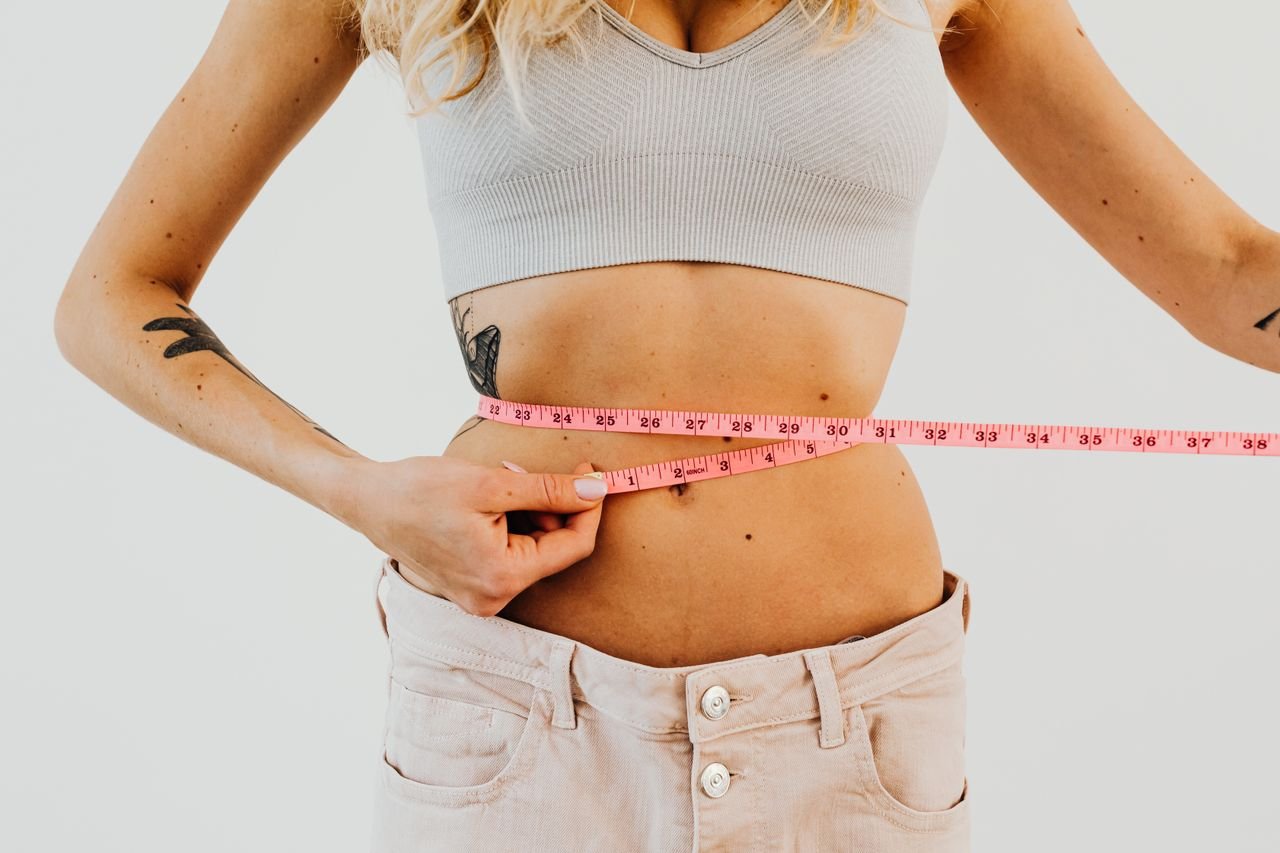
Losing weight takes effort, and your body shape can change, leaving your skin looser than expected. Skin may not adjust right away when fat volume drops, especially after a large change. That mismatch is common, but it can still affect comfort and confidence.

Gradual weight loss, strength training, good nutrition, and basic skin care can support skin health and appearance. They cannot remove a large amount of excess skin. A clinician can help when folds cause ongoing problems or when someone wants to discuss treatment.
Skin elasticity means the skin’s ability to stretch and recoil as the body changes shape. Understanding that process explains why skin can remain loose after weight loss.
Key Takeaways
- Skin may not fully adjust after a large change in body size.
- Natural steps can support skin health, but cannot remove major folds.
- Strength training may improve muscle support beneath the skin.
- Recurring irritation or movement problems deserve medical advice.
- Results and the time they take vary from person to person.
1. What Causes Loose Skin After Weight Loss?
As the body grows, skin stretches to cover its larger shape. After fat loss, less volume sits beneath the skin, and the surface may not fully recoil.
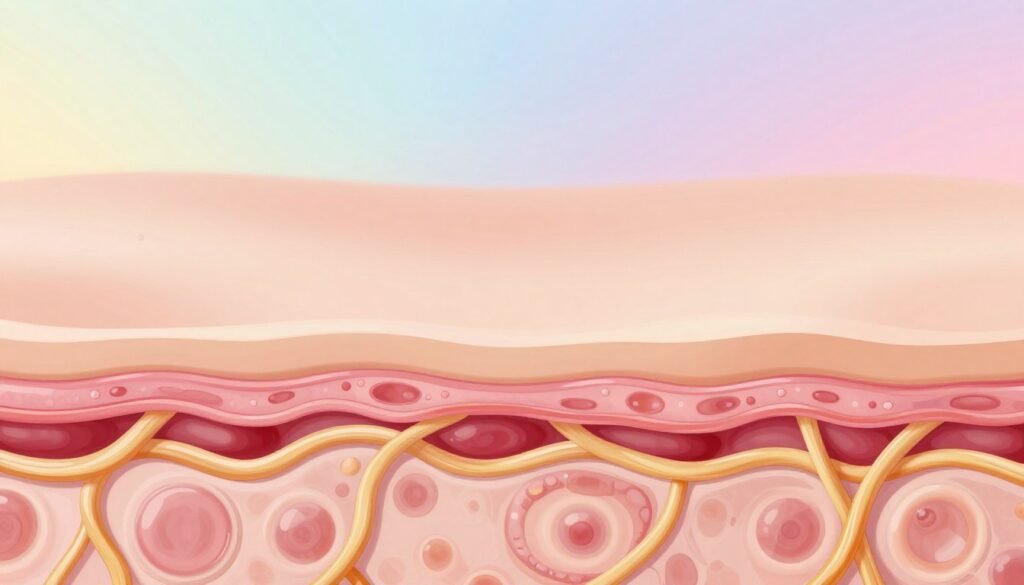
Skin has three main layers, each with a different role. Long-term stretching can weaken collagen and elastin fibers, so skin may not return to its earlier shape.
When stretched skin loses some of its support, it may not return to its earlier shape after fat loss.
The epidermis is the thin outer layer that people see. The dermis produces collagen and elastin, while the hypodermis contains fat beneath the skin.
| Layer | What it contains | Role |
|---|---|---|
| Epidermis | Outer skin cells | Forms the visible surface |
| Dermis | Collagen and elastin | Provides strength and stretch |
| Hypodermis | Subcutaneous fat | Cushions bones and muscles |
Elastin lets skin stretch and recoil. Collagen gives it structure and strength. Together, collagen and elastin help skin respond when body shape changes.
When stretching lasts a long time, the fibers can weaken or become damaged. Losing fat then leaves less support under the skin, which can make looseness more visible. The amount varies among people.
That basic process explains why skin changes after weight loss. Several personal factors help explain why one person’s skin recoils more than another’s.
2. Why Do Some People Have More Loose Skin Than Others?
Two people can lose the same amount of weight and have different skin outcomes. Several factors shape how loose skin looks, and no single measure predicts an individual result.
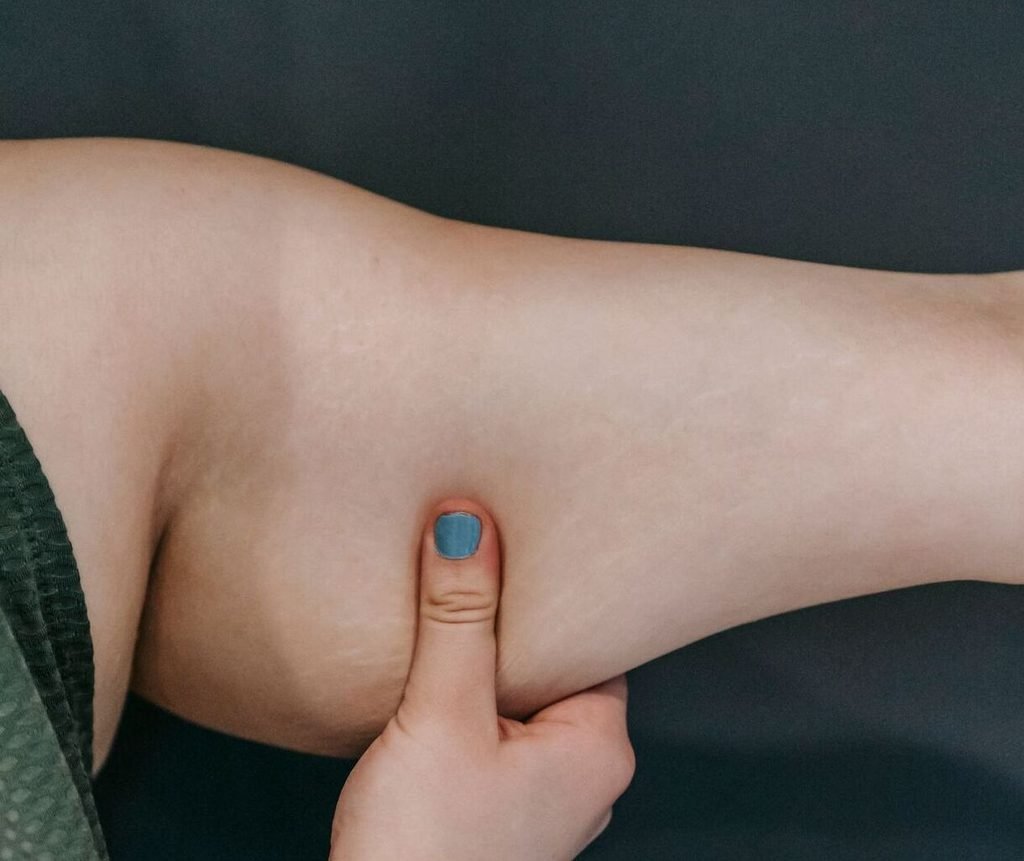
The speed and scale of weight change matter. Faster or larger weight loss and more time at a higher weight can make looseness more noticeable.
How weight change and time affect skin
The amount of weight lost compared with a person’s starting size can affect how much skin remains. A larger percentage of body weight lost may leave more loose skin, though it does not guarantee that outcome.
Skin that stayed stretched for years may have less ability to spring back than skin stretched for a shorter period. The pace of change also matters. Rapid fat loss can reveal skin laxity that was already present.
Weight-loss medications do not directly cause loose skin. The change in fat volume and its pace matter more than the method used to lose weight. People may notice loose skin weight changes sooner when fat loss happens quickly.
The role of age, genetics, sun, and smoking
Age and genetics affect skin elasticity. Some people have skin that holds its shape better, while others see more sagging skin after similar changes in body size.
Years of sun exposure can damage collagen and elastin. Smoking can also harm these fibers and affect skin quality. Both may make it harder for skin to adapt after weight loss.
There is no fixed weight threshold that predicts a specific result. The amount of skin weight remaining depends on several factors, including the amount and duration of weight change. Visible looseness can affect comfort as well as appearance.
3. What Problems Can Excess Skin Cause?
A skin fold can stay damp and rub during a warm day or workout. That repeated friction can lead to chafing, soreness, or a rash.
Moisture trapped in folds can irritate skin and contribute to intertrigo, a rash that forms where skin rubs together. Recurring irritation, pain, or signs of infection deserve clinical attention.
Warm, moist areas can also support yeast growth. A rash that persists or spreads may need care beyond home measures. A clinician can check the cause and suggest treatment.
Large folds may pull or rub during walking, exercise, or other daily tasks. Some people find that skin gets in the way of movement or makes certain activities uncomfortable.
Appearance concerns can affect body image and mental well-being. That concern is real, even when the skin causes no physical symptoms. People may have mixed feelings after reaching a weight goal.
Occasional concerns about appearance differ from repeated rash, pain, or difficulty moving. Those ongoing symptoms are reasons to ask a healthcare professional for advice. Skin can also keep changing after weight loss slows or ends.
4. What Changes Can You Expect as Weight Stabilizes?
Some skin may look better over time as weight stabilizes, but full recoil is not assured. Skin stretched for a long time or to a large degree may not return to its earlier shape.
There is no guaranteed waiting period after which excess skin disappears. The time and degree of change vary from person to person.
When body weight stops changing quickly, skin has time to adapt to the new shape. Some people see gradual changes in how loose skin appears, while others notice little difference.
Age, skin elasticity, and the amount of stretching can affect the result. A person who carried a higher weight for many years may have a different outcome from someone whose skin stretched for less time.
Stable weight can help people judge their longer-term shape more clearly. Yet it does not mean the skin will shrink back completely, even after a long wait.
For that reason, a set timeline cannot predict results. Preventing avoidable strain during weight loss is one practical way to support skin health.
5. How Can Someone Reduce Skin Changes While Losing Weight?
The CDC recommends a gradual pace of 1-2 pounds per week for many adults. That pace is a general guide, not a promise that loose skin will be avoided.
A steady plan can limit rapid changes in body size, but skin outcomes still vary. A clinician can help adjust the plan for a person’s health needs.
- Choose a gradual approach rather than trying to lose weight as fast as possible.
- Track weight once a week to see broad trends instead of daily shifts.
- Keep a simple journal of meals, activity, and changes in energy or symptoms.
- Discuss a weight-loss plan with a clinician when health needs or questions arise.
People searching “How to avoid loose skin when losing weight reddit?” may find personal stories, but those stories cannot predict another person’s outcome. Gradual loss may help limit rapid changes, yet no pace can guarantee that loose skin will be avoided.
People losing weight can use this guide to sustainable weight-loss habits for ideas on building steady routines. A clinician can help decide whether a plan fits a person’s health and goals.
Preserving or building muscle is another way to improve body contour. It can add support beneath skin where fat volume has decreased.
6. Can Strength Training Improve the Look of Loose Skin?
Muscle can fill some of the space beneath skin, but it cannot make a large fold disappear. It can change the contour of the body and support a firmer appearance.
The Physical Activity Guidelines for Americans recommend strength training all major muscle groups at least twice a week. The right plan depends on a person’s health, fitness, and experience.
How to tighten skin after weight loss naturally
Weights, resistance bands, and body-weight moves such as squats or wall pushups can build muscle mass. A routine can work the arms, legs, chest, back, shoulders, and abdomen over the week.
Someone new to exercise can start with light resistance and focus on safe form. Rest days help muscles recover. A trainer or clinician can offer guidance when pain, illness, or past injury affects movement.
As fat volume decreases, added muscle may give the skin more support in some areas. This can improve body composition and make the outline look firmer, though results differ.
What resistance training can and cannot change
Resistance training strengthens muscle beneath the skin. It does not remove extra skin or reverse all stretching in the dermis. A large fold may remain even when someone builds strength.
A 2023 study found that resistance training improved skin elasticity and dermal thickness in its study context. That finding does not prove exercise removes excess skin after weight loss.
Exercise can still benefit health and body shape, even when loose skin remains. People should set goals around strength and function rather than expect a particular skin result.
Good training habits support the body’s shape from beneath the skin. Nutrition and hydration also support the body’s normal skin maintenance.
7. Which Nutrients Support Skin After Weight Loss?
Adequate nutrition supports ongoing tissue repair, not instant tightening. Food can support skin health, but it cannot remove a large amount of loose skin.
Protein, vitamin C, omega-3 fats, and water support different parts of normal skin function. These choices fit into a varied eating pattern.
| Nutrient or habit | Examples | Relevance to skin |
|---|---|---|
| Protein | Eggs, beans, fish | Supplies amino acids for tissue maintenance and repair |
| Vitamin C | Citrus, peppers, broccoli | Supports collagen synthesis |
| Omega-3 fats | Salmon, tuna, walnuts, chia seeds, flaxseeds | Provides fats used in normal body functions |
| Water | Drinking water throughout the day | Supports hydration and skin function |
Protein supplies amino acids the body uses to maintain and repair tissue. Vitamin C supports the production of collagen, which gives skin structure.
Omega-3 sources include salmon, tuna, walnuts, chia seeds, and flaxseeds. Water intake also matters. A 2015 study found that higher daily water intake improved skin hydration and function.
A 2019 controlled study reported better skin elasticity, texture, and hydration after 12 weeks of a liquid collagen supplement. The evidence does not show that collagen supplements remove loose skin after weight loss.
People should not treat a supplement as a substitute for food or medical advice. For another topic, readers can explore foods that provide vitamin D. Daily skin care is another way to protect skin quality.
8. Which Skin-Care Habits Help Protect Elasticity?
Skin care can protect skin quality, but it cannot shrink a substantial fold. Moisturizer helps with dryness and may briefly make the surface look fuller.
Sunscreen with SPF 30 or higher helps protect skin from sun damage. A cream cannot remove excess skin after weight loss.
Creams, moisturizers, and sun protection
People searching for “loose skin after weight loss cream” should know that moisturizers can ease dryness and improve appearance for a time. They do not remove a large amount of extra skin.
Retinoids may support collagen production, though they can irritate skin and may not suit everyone. A clinician can advise on safe use. Collagen-containing creams do not appear to increase the skin’s natural collagen production.
Sun protection helps reduce further damage to collagen and elastin. Sunscreen, shade, and protective clothing can help limit cumulative exposure.
Can peptides help loose skin after weight loss?
Topical products may contain peptides, but evidence does not establish “peptides for loose skin after weight loss” as a way to remove excess skin. Claims of reliable tightening go beyond what these products can promise.
- Apply sunscreen with SPF 30 or higher to exposed skin.
- Moisturize dry areas to ease tightness and flaking.
- Avoid tobacco, which can harm skin fibers.
- Limit excess alcohol as part of routine skin care.
These habits protect skin quality rather than erase a hanging fold. People who want more change than home care can provide may ask a clinician about nonsurgical options.
9. What Nonsurgical Treatments Can Tighten Loose Skin?
Nonsurgical treatments may help selected cases, but they do not equal removal of a major skin fold. Results are usually modest and depend on the person and treatment.
Radiofrequency, ultrasound, and laser treatments may improve mild looseness, but they cannot remove a large amount of excess skin.
People asking “How to get rid of loose skin after weight loss without surgery” should know that these treatments may offer some improvement, not full removal. A loose skin after weight loss treatment plan should match the area and the person’s health.
| Treatment | How it works or what to expect | Timing or trade-off |
|---|---|---|
| Radiofrequency | Uses heat to treat deeper skin tissue | Improvement may take up to 6 months; minor side effects and no downtime have been reported |
| Ultrasound skin tightening | Uses sound energy to heat tissue beneath the skin | May cause temporary warmth, swelling, redness, or tenderness |
| Laser skin tightening | Uses focused light to heat skin tissue | May take 3-5 treatments; results can appear gradually about 6 months after the final treatment |
Radiofrequency therapy
Radiofrequency devices use heat to treat tissue under the skin. Some people see improvement over several months. Reported minor side effects and lack of downtime do not mean every device or treatment has the same risk.
Ultrasound skin tightening
Ultrasound treatment directs energy below the skin’s surface. Temporary warmth, swelling, redness, or tenderness can occur. A clinician can explain the expected response for the device being considered.
Laser skin tightening
Laser treatment may involve three to five sessions. Any change can develop gradually, with results appearing about six months after the final treatment.
These procedures should be performed or supervised by a licensed dermatologist, plastic surgeon, or cosmetic surgeon. A qualified professional can explain the potential benefits and risks based on the treatment area.
Nonsurgical options may not meet the needs of someone with a large, persistent fold. Surgical skin removal involves different trade-offs.
10. When Should Someone Consider Skin Removal Surgery?
A persistent skin fold may interfere with movement, hygiene, or daily comfort even after weight has stabilized. That can warrant an assessment with a qualified surgeon.
Body contouring is surgery that removes and reshapes excess skin. Procedure choice depends on where skin hangs and whether it affects comfort, hygiene, or movement.
Which operation matches the area?
Options include procedures for the abdomen, arms, breasts, thighs, or lower body. Examples include:
- Tummy tuck for skin across the front of the abdomen.
- Panniculectomy for a hanging lower-abdominal pannus.
- Lower body lift for loose skin around the lower torso.
- Arm lift for excess skin on the upper arms.
- Thigh lift for loose skin on the thighs.
A breast lift, facelift, or neck lift may suit other areas. A surgeon can discuss what each operation can change and where scars may remain.
What affects surgery cost?
People searching “loose skin after weight loss surgery cost” should request an itemized estimate. Cost depends on the procedure, areas treated, provider, and facility. No single U.S. price applies to every case.
The estimate should spell out what the provider and facility charge. It can also help the person ask which services are included and what costs may fall outside the estimate.
Will insurance cover skin removal?
Coverage depends on the individual plan and documented medical necessity. Insurance payment is not guaranteed, even when a person has recurring symptoms.
Documented rashes, pain, or limits on daily function may matter to a plan’s review. A person should ask both the insurer and surgeon about U.S. coverage rules and required records.
Health, nutrition, smoking status, scars, and recovery all matter when weighing surgery. Surgeons often advise waiting until weight has been stable for several months, with 3-6 months as a typical planning interval.
Recovery can take several months, and final results may take years to fully appreciate. An individualized consultation can weigh functional benefits against scars, risk, recovery, and cost.
11. How Can Skin Folds Stay Comfortable and Healthy?
The first priority is keeping skin folds clean and dry without irritating them. Gentle care can reduce the moisture, sweat, and bacteria that collect between folds.
Persistent rash, worsening pain, bleeding, or possible infection calls for medical care.
- Gently clean between folds with pH-balanced soap, cleanser, or disposable wipes.
- Pat skin dry instead of rubbing it.
- Choose loose, quick-drying, or moisture-wicking clothing.
- Use a chafing powder or gel when appropriate.
Quick-drying clothes can help after exercise or in warm weather. Seek care when symptoms persist, then consider a clinician’s advice about further treatment.
Keep skin folds clean and dry with gentle care. Get medical help for persistent rash, pain, bleeding, or signs of infection.
12. Conclusion
Skin may improve after weight loss, but the amount and timing vary from person to person. Full recoil is not guaranteed, even with steady habits.
Gradual weight loss, strength training, good nutrition, and sun protection can support health and appearance, but cannot ensure stretched skin fully tightens.
Mild looseness may be mainly an appearance concern. Folds that keep irritating or interfere with movement deserve a closer look.
A practical next step is to track stable weight and any ongoing symptoms. Someone with persistent irritation or significant excess skin can discuss options with a qualified healthcare professional.