

If you’ve ever started a diet with hope, only to feel tired and discouraged a few weeks later, you’re not alone. Lasting change should support your life, not take it over.
This guide will show you how to lose weight naturally with practical steps. You’ll learn how nutrition, movement, sleep, stress management, and daily routines can help with healthy weight loss.

Weight loss naturally doesn’t mean detoxes, unregulated supplements, extreme fasting, or crash diets. It’s about creating a modest calorie deficit while eating enough nutritious food to protect your health and preserve muscle.
Your results may differ from someone else’s. Age, body composition, medications, health conditions, sleep, stress, and daily activity can all affect progress. The CDC, NIH, Physical Activity Guidelines for Americans, and Academy of Nutrition and Dietetics support steady habits over quick fixes.
You’ll also discover ways to exercise at home, set realistic goals, address women’s health needs, reduce overall body fat, and stay fit naturally after reaching your target. Small actions, repeated often, can create meaningful results.
If you have diabetes, cardiovascular disease, a history of an eating disorder, or other medical concerns, speak with a qualified healthcare professional before making major diet or exercise changes. The same applies during pregnancy or breastfeeding.
Key Takeaways
- Healthy weight loss usually comes from steady, manageable habits.
- A modest calorie deficit can support fat loss without extreme restriction.
- Balanced nutrition helps protect energy, health, and muscle.
- Home workouts and daily movement can help you stay active.
- Sleep and stress management are important parts of weight loss.
- Medical guidance may be needed before major lifestyle changes.
1. What Weight Loss Naturally Really Means
Natural weight loss is a slow process. It involves regular meals, daily activity, quality sleep, and steady changes. It’s not about quick fixes or harsh diets. Your goal is to build healthy habits that last.
Many wonder, how do you lose weight without harming your health? Losing weight means burning more calories than you eat. Good food, enough protein, exercise, sleep, and consistency help a lot.
Set Realistic Weight Loss Goals
Set goals that fit your body and life. The CDC says losing 1 to 2 pounds a week is good for many adults. But, your results can vary based on many factors.
Focus on process goals, like eating veggies with meals or walking after work. These actions make your plan easier to follow every day.
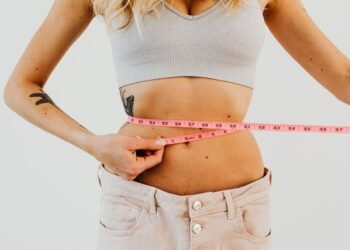
Don’t just watch the scale. Check your waist, how clothes fit, and your energy levels. These signs show progress even when the scale is slow.
Focus on Sustainable Healthy Habits
Good weight loss comes from lasting habits. Choose habits that fit your life and preferences. A plan that makes you hungry or limits foods is hard to stick to.
A good plan includes filling foods, planned portions, fun activities, and rest. Start with small changes. This makes healthy choices feel easier.
- Add a source of protein to each main meal.
- Keep easy fruit, yogurt, or nuts ready for snacks.
- Schedule walks or workouts like important appointments.
- Set a regular bedtime that allows enough sleep.
Check your routine every few weeks. If a habit is too hard, simplify it. Your best plan is one that supports progress without overwhelming you.
2. How to Lose Weight Naturally Through Balanced Nutrition
Starting to lose weight naturally means eating meals that are good for you and keep you feeling full. Focus on vegetables, fruit, beans, lentils, whole grains, lean proteins, and low-fat dairy. Adding seafood, nuts, seeds, and unsaturated oils can bring in healthy fats and flavor.
Don’t follow strict food rules to lose weight. Aim for a mix of protein, fiber, and produce in your meals. This helps keep your energy steady, makes you feel full, and makes it easier to eat fewer calories.
Make sure to include a protein source in your meals and snacks. Good options are eggs, Greek yogurt, chicken, fish, tofu, tempeh, beans, lentils, and cottage cheese. Protein helps you feel full and keeps your muscles from shrinking as you lose weight.
Foods high in fiber add bulk without many calories. Try berries, apples, leafy greens, broccoli, oats, beans, and whole-grain bread. Fiber helps you feel full and aids digestion. Start adding more fiber slowly and drink plenty of water to adjust.
Drinks with calories can add up without making you feel full. Switch from soda, sweet tea, and sugary coffee to water, unsweetened tea, or sparkling water. These small changes can help your meal plan without feeling restricted.
- Fill about half your plate with vegetables or fruit.
- Choose a protein source for meals and planned snacks.
- Select whole grains, beans, or lentils for lasting energy.
- Measure nuts, seeds, and oils because small servings are calorie-dense.
No single food burns fat alone. Weight loss comes from eating foods that fill you up, protein, fiber, being mindful of portions, and controlling total calories. A flexible approach lets you enjoy your favorite foods in moderation, not as forbidden treats.
Plan ahead to avoid intense hunger. Keep healthy snacks like fruit, yogurt, veggies with hummus, roasted chickpeas, or nuts handy. These snacks can help you stick to balanced nutrition during busy days or evenings.
Your needs may change due to food allergies, medications, digestive issues, pregnancy, breastfeeding, or training. A registered dietitian can create a personalized plan that meets your health needs, food preferences, and lifestyle.
3. Build a Best Fat Burning Diet That Fits Your Lifestyle
The best fat burning diet isn’t a single plan or a list of magic foods. It’s a balanced eating pattern that includes enough protein and fiber. It should also help you create a calorie deficit that’s easy to manage. Your diet should match your schedule, budget, food likes, and health needs.
Choose Foods That Support Metabolism and Fullness
Your body needs energy for basic functions, digestion, exercise, and daily activities. Eating enough protein and doing strength training helps keep your muscle mass. This is important for your energy levels. No single food or supplement can greatly change your energy balance.
Focus on vegetables, fruit, potatoes, oats, beans, lentils, eggs, fish, poultry, Greek yogurt, tofu, and other whole foods. These fat-burning foods are rich in protein, fiber, vitamins, and minerals. They help you feel full between meals.
Create a Sustainable Calorie Deficit
Reducing calories a bit is easier to stick to than cutting a lot. Your calorie needs depend on your height, weight, age, sex, activity level, and health. A registered dietitian or health care professional can help you find a safe target.
A sustainable calorie deficit should not make you weak or constantly hungry. Severe calorie cuts can lead to fatigue, nutrient gaps, muscle loss, overeating, and trouble keeping weight off. Always use medical supervision if you’re on a very-low-calorie diet.
Plan Simple Meals and Healthy Snacks
Use a simple plate guide for meal planning. Fill half your plate with nonstarchy vegetables, one-quarter with protein, and one-quarter with whole grains or starchy vegetables. Add a small portion of healthy fat, like avocado, olive oil, or nuts.
Simple meals include oatmeal with berries and Greek yogurt, a chicken, bean, or tofu bowl with vegetables and brown rice, or salmon with roasted vegetables and potatoes. These meals provide steady energy without complicated cooking.
Good snacks for weight loss combine protein, fiber, or both. Try an apple with peanut butter, Greek yogurt with berries, carrots with hummus, or a small portion of trail mix.
To make meal planning easier, prepare ingredients in advance. Wash produce, batch-cook grains, portion proteins, and keep frozen vegetables on hand. You don’t need to cook every meal from scratch to make healthy choices.
4. Weight Loss Naturally at Home With Everyday Exercise
It’s easy to lose weight at home with simple exercises. You don’t need a gym or expensive gear. Try body-weight moves, resistance bands, dumbbells, walking, and doing chores.
Make a weekly plan that works for you. The Physical Activity Guidelines suggest 150 minutes of moderate activity weekly. Start slow if you’re new to exercise.
Try Effective Home Workouts
Choose activities that make you breathe harder but don’t exhaust you. Brisk walking, dancing, and cycling are good. You should be able to talk but not sing easily.
Here’s a beginner circuit to do two or three times a week. Do one set of each move, rest when needed, and repeat when ready:
- Squats or chair stands for your legs and hips
- Wall or incline pushups for your chest and arms
- Hip hinges to train your hips and back
- Step-ups on a stable step
- Resistance-band rows for your upper back
- A plank from your knees or against a wall
Focus on slow, controlled movements. Good form is more important than speed. Stop if you feel pain or discomfort.
Add Strength Training to Build a Lean Body
Strength training at home keeps muscle while losing weight. It helps with daily tasks, bone health, and balance. Lifting weights doesn’t make you bulky.
To get a lean body, train all major muscle groups. Use dumbbells, bands, or your body weight. Gradually increase the challenge by adding more reps or weight.
Increase Daily Movement Without a Gym
Move more throughout the day without feeling like you’re working out. Walk while on phone calls, take stairs, and park far. Stand during work breaks and play actively with kids.
Exercise is key for health and weight control. But nutrition and daily energy balance also play a role. Create a routine you can stick to and choose activities that fit your lifestyle.
5. Weight Loss Naturally in a Month: What You Can Expect
Weight loss in a month varies for everyone. Your starting weight, how much you eat, and how active you are all play a part. Sleep, stress, and health issues also affect your progress.
Fluid changes can also impact your weight. Things like sodium, carbs, digestion, and your menstrual cycle can change your weight daily. So, one weigh-in doesn’t tell the whole story.
The CDC suggests losing 1 to 2 pounds a week for many adults. This is a good guide for monthly weight loss, but your results might vary.
If you aim to lose weight in 30 days, focus on steady habits. Noticeable changes in your waist, energy, and fitness are possible without a fixed number on the scale.
Some ask how to lose 30 pounds in a month. For most, this would mean a very large calorie deficit. It’s not safe or realistic without medical supervision.
Rapid weight loss can include water and muscle, not just fat. It can lead to fatigue, nutrient deficiencies, gallstones, and weight regain. A slower approach is better for strength, nutrition, and lasting results.
Focus on four simple priorities for the month:
- Eat regular meals with protein, veggies, fruit, beans, and whole grains.
- Start with walking or cardio that suits your fitness level.
- Do two or more strength sessions a week, if you can.
- Stick to a regular sleep schedule and get enough rest.
Track your progress at the start and end of the month. Use the same scale, take waist measurements, and consider progress photos if you’re comfortable.
Habit tracking shows progress the scale might miss. Log meals, walks, workouts, sleep, and water intake. Look at your weekly weight trend instead of daily numbers.
After four weeks, note which habits were practical. Drop habits that added stress without helping. Make small changes, like a portion adjustment or an extra walk, instead of reacting to daily changes.
If you have unexplained weight changes, severe fatigue, symptoms of disordered eating, or a weight-loss goal linked to a condition, talk to a healthcare professional. They can help you choose a safe plan for your needs.
6. Weight Loss Tips for Women and Women’s Health
Weight loss for women can change with age, health, and daily demands. Your menstrual cycle, pregnancy, breastfeeding, perimenopause, and menopause may affect appetite, energy, body composition, and scale weight. Thyroid conditions, polycystic ovary syndrome, medications, and shifts in muscle mass can shape your progress too.
Scale changes around menstruation often reflect fluid retention, not body-fat gain. Track your weight over several weeks instead of reacting to one reading. This longer view can help you avoid needless food restriction and support a steady approach to weight loss naturally for women.
Account for Hormones, Stress, and Sleep
Sleep and stress play a clear role in daily choices. Poor sleep may raise hunger, cravings, and tiredness. Chronic stress can affect mood, recovery, and your ability to follow planned habits. Set a regular sleep time, take short breaks, and use simple tools such as walking, deep breathing, or gentle stretching.
During pregnancy or breastfeeding, seek guidance from your doctor or a registered dietitian. Do not pursue rapid, intentional weight loss without medical supervision. Irregular periods, excess hair growth, lasting fatigue, sudden weight changes, or trouble losing weight may need a healthcare evaluation.
Build a Practical Weight Loss Program for Women
A practical weight loss program for women should provide enough food to support health and activity. Choose protein-rich meals, high-fiber foods, and satisfying portions. You do not need to remove entire food groups or follow an extremely low-calorie plan.
Your women weight loss program can start with a few weekly habits:
- Complete two strength-training sessions.
- Take regular walks or do other moderate activity.
- Include protein and fiber in most meals.
- Prepare simple meals and snacks ahead of busy days.
- Keep a steady sleep routine.
- Use stress-management practices that fit your life.
Every weight loss program for women should reflect personal needs. Your age, body size, health status, fitness experience, food access, and preferences matter. This flexible approach supports women’s health and weight loss without forcing you into a plan that does not suit your body or routine.
7. How to Lose Stubborn Fat and Reduce Stomach Fat
Wondering how to lose stubborn fat? Start by looking at the bigger picture. Fat loss is a body-wide process influenced by genetics, hormones, age, sex, and energy balance. You can’t pick where fat disappears first.
Subcutaneous fat lies under your skin. Visceral fat, on the other hand, wraps around your organs. High levels of visceral fat can increase your risk of heart disease. Even small changes in your habits can lead to better health, even if you don’t see immediate results.
Understand Why Spot Reduction Does Not Work
Many ask, “How can I lose stomach fat?” The key is to reduce total body fat through consistent habits. A small calorie deficit, balanced meals, regular exercise, good sleep, and stress management can help with abdominal fat loss.
While abdominal exercises can strengthen your core, they don’t target fat loss in one area. Incorporate exercises like dead bugs, bird dogs, side planks, and loaded carries into your routine. They can improve your trunk strength and stability when done as part of a full-body workout.
Combine Nutrition, Cardio, and Strength Training
To reduce belly fat, focus on protein, vegetables, fruit, whole grains, beans, and other whole foods. Replace sugary drinks with water or unsweetened beverages. Instead of cutting out all treats, control their portion sizes.
For body fat loss, mix healthy eating with physical activity. Start with moderate cardio like brisk walking, cycling, or swimming. Add short, intense intervals once you’ve built up your fitness and can recover well.
Full-body resistance training helps keep muscle mass during weight loss. Begin with two or three sessions a week. Include exercises like squats, rows, presses, hinges, and carries. Gradually increase the difficulty as you get stronger.
Support Fat Loss With Sleep and Stress Management
Sleep is essential for appetite control, recovery, and workout quality. Most adults need at least seven hours of sleep each night. Establish a consistent sleep schedule and limit screen time before bed.
Stress can make sticking to a healthy diet and exercise routine harder. Try activities like walking, slow breathing, journaling, therapy, socializing, and planned rest days. These habits support your overall well-being and make following a healthy routine easier.
Be wary of teas, wraps, creams, and supplements that promise quick fat loss. No product can replace a balanced diet, regular exercise, enough sleep, and mental health care.
8. How to Stay Fit and Maintain Your Weight Loss
Learning to stay skinny doesn’t mean you have to fear food or aim for an unhealthy low weight. A better goal is to maintain a comfortable weight while gaining strength, energy, and confidence. Remember, your body can change, so focus on habits that support your health, not strict rules.
For weight maintenance, stick to the basics that helped you lose weight. Eat balanced meals with enough protein and fiber. Don’t measure every bite, but watch your portions. Make sure to move regularly and enjoy meals you can look forward to for years.
Use a scale, waist measurement, or how your clothes fit to track your progress. Pick a method that feels right to you. Checking weekly can help you catch any trends early. Small changes, like adding a walk or adjusting portions, are easier than fixing big gains.
To stay fit after weight loss, keep up with strength training. It helps keep lean muscle, physical function, and mobility. Add activities like walking, cycling, or swimming for heart health. Fitness includes endurance, balance, flexibility, strength, and doing daily tasks easily.
Your calorie needs might drop after losing weight because your body uses less energy. This doesn’t mean you need another restrictive diet. A small change in portions or activity can meet your needs while keeping your eating enjoyable.
Make room for restaurants, holidays, travel, and celebrations. One meal doesn’t define your progress. Return to your usual routine at the next meal, without guilt. This flexible approach supports long-term weight loss and makes healthy choices easier to keep up.
Sleep and stress care are important, too. Keep a steady sleep schedule and use calming tools like a short walk or breathing practice. If emotional eating or binge eating is hard to control, seek help from a health professional instead of relying on willpower alone.
| Area | Helpful maintenance habit | Simple progress marker |
|---|---|---|
| Nutrition | Build meals around protein, fiber-rich foods, and reasonable portions. | Steady hunger, energy, and body weight |
| Strength | Perform resistance exercises two or more times each week. | Improved strength and easier daily movement |
| Cardio | Walk, cycle, swim, or take part in another activity you enjoy. | Better endurance and heart fitness |
| Recovery | Keep regular sleep hours and practice stress management. | More stable mood and energy |
| Flexibility | Plan for special meals without abandoning your routine. | Less guilt and a quicker return to normal habits |
| Support | Talk with a qualified professional about emotional eating concerns. | Greater control and confidence around food |
9. Weight Loss Tips for Women at Home and on Busy Days
Busy lives can make healthy eating seem tough. Simple routines help you stay on track, even with work, family, and school. These tips for weight loss at home fit into your busy life without needing a perfect schedule.
Prepare Quick Healthy Meals
Have staples ready for fast meals. Use rotisserie chicken, canned tuna, and frozen veggies. Also, keep brown rice, beans, eggs, Greek yogurt, whole-grain tortillas, fruit, and greens on hand.
During a quick prep session, pick two proteins, two veggies, one or two carbs, and a few sauces. Mix these ingredients in different ways all week. This method helps busy women lose weight without needing a new recipe every day.
- Make a bean-and-vegetable quesadilla with a whole-grain tortilla.
- Build a yogurt bowl with fruit and nuts.
- Serve scrambled eggs with whole-grain toast.
- Top a salad with chicken and chickpeas.
These meals offer protein, fiber, and energy. Store them in clear containers for easy access when you’re hungry.
Create Short, Effective Workouts
Short workouts can boost strength and fitness with consistent effort. A 10- to 20-minute session might include squats, counter pushups, rows, and more.
Use exercise anchors to remember your routine. Work out after coffee, walk at lunch, or do mobility exercises before showering. These workouts support weight loss without needing a gym or long travel.
Stay Motivated When Progress Slows
Motivation can vary daily. Create a plan that doesn’t rely on feeling up to it. Mark workouts on your calendar, track meals or steps, and prepare your exercise clothes. Ask a friend to check in with you.
Progress may slow as your body changes. Before making big changes, check your portions, sleep, stress, and activity. Avoid extreme restriction, as it can increase hunger and make your routine harder to keep up.
10. Common Weight Loss Mistakes to Avoid
Many people make mistakes when trying to lose weight too quickly. It’s important to choose a plan that gives you enough food and energy. A plan that only works for a few days can lead to stress and bad habits.
Relying on Extreme Diets or Rapid Weight Loss
The idea of losing weight fast can be tempting, like before a big event. But, these quick changes often just mean losing water or eating too little. Detox teas, laxatives, and extreme diets can be harmful.
Some supplements can interact with medicines or hide ingredients. Diets that cut out whole food groups can lead to nutrient deficiencies. This can cause fatigue, muscle loss, and weight gain later on.
Skipping Strength Training and Recovery
Weight loss doesn’t mean losing muscle. Not doing strength exercises can make it harder to keep muscle as you lose weight. Try simple exercises like squats and rows a few times a week.
Make sure to eat enough protein and have steady meals with strength training. Rest days and gradual increases are important for recovery. They help you stay active and avoid injuries.
Ignoring Portion Sizes, Sleep, and Hydration
Even healthy foods can be too much if you eat too much of them. Use smaller plates and check serving sizes. Eat slowly to feel full.
Good sleep helps control hunger and recovery. Irregular sleep can make you crave unhealthy foods. Try to go to bed at the same time every night and create a quiet sleep space.
Drinking too much water doesn’t help you lose fat faster. Your water needs depend on your size, activity level, and health. Drinking water with meals and when you’re thirsty is usually enough.
11. Conclusion
Starting to lose weight naturally means having a small calorie deficit. You should eat balanced meals and move regularly. Focus on protein, fiber, fruits, veggies, and whole grains.
Drink water instead of sugary drinks and walk often. Adding beginner strength workouts helps keep your body lean and strong.
A good weight loss plan should match your life and health needs. Make foods easy to grab and track your progress over weeks. Small changes based on real results are key.
There’s no single diet that burns fat the fastest or safely. Women should consider menstrual cycles, pregnancy, and other health factors. These can change your energy and appetite.
Getting advice from a healthcare pro or dietitian is wise when your needs are complex. They can guide you better.
The best tips for losing weight naturally are habits you can keep up. Aim for steady progress, not a perfect body size. Fitness and weight maintenance are lifelong habits, not short-term goals.