


Ever looked in the mirror and wished for a fresh start? You’re not alone. A week can start you on a path to feeling more in control. But remember, safe weight loss isn’t about starving or quick fixes.
To start losing weight in a week, make smart choices. Improve your meals, drink more water, and add gentle exercise. Also, protect your sleep. These steps can help you lose water weight and support steady progress.

If you’re overweight, even a little weight loss can boost your energy. It can also lower your risk of obesity, heart disease, and type 2 diabetes. Your success depends on your health, habits, and where you start.
This guide offers a realistic seven-day plan. It’s designed to be followed after the first week. The aim is not to be perfect. It’s to build healthy habits that make losing weight safer, more manageable, and lasting.
Key Takeaways
- Focus on steady progress, not extreme weight loss.
- Build meals around whole foods and sensible portions.
- Replace sugary drinks with water or low-calorie options.
- Add activity that fits your fitness level and protects your joints.
- Sleep, stress control, and support can enhance your results.
- Use the first week to create habits for long-term weight loss.
1. How to lose weight in a week: Set safe and realistic expectations
A seven-day plan can kickstart healthier habits, but it won’t change your body overnight. Aim for steady progress, not a sudden weight drop. Searches for weight loss in a week often seek fast results. Yet, safe weight loss depends on your body, health, and daily needs.
How much weight can you lose in seven days?
Health experts suggest losing 1 to 2 pounds per week. Some say 0.5 to 1 pound is safer for most. Your weight might drop more in the first few days due to water loss.
Even a small loss is progress. Changes in diet, drinks, sleep, and activity can improve health before the scale shows big changes. Focus on habits you can keep after the week ends.
Why rapid weight-loss claims can be misleading
Rapid weight loss means losing more than 2 pounds a week. This often means eating very few calories. It can lead to muscle loss, lower energy, and make it hard to meet nutrition needs.
The military diet promises up to 10 pounds in a week. But research doesn’t back this up. Severe calorie restriction can empty glycogen, your body’s stored energy. Water linked to glycogen loss often returns when you eat normally again.
When learning how to lose weight, check if a plan supports protein, fiber, vitamins, and enough energy. A short-term drop doesn’t always mean fat loss. Look for a plan that protects your health and fits your routine.
How BMI and health status affect your plan
BMI uses height and weight to estimate a healthy weight range. It doesn’t measure muscle mass, body composition, or every health factor. Treat it as one piece of information, not a complete diagnosis.
Your age, sex, activity level, medications, health conditions, and energy needs should guide your plan. If you’re exploring how to lose weight in a week for a woman, remember that pregnancy, breastfeeding, menstrual changes, and menopause can affect weight and nutrition needs.
Always talk with a health care professional before making big dietary changes. This is key if you have obesity, diabetes, heart disease, another health condition, or a history of disordered eating. Guidance is very important for teenagers, older adults, and pregnant women.
| Weekly weight change | What it may mean | Safer response |
|---|---|---|
| 0.5 to 1 pound | A cautious pace for many people | Keep balanced meals, regular sleep, and steady activity |
| 1 to 2 pounds | A commonly recommended upper range | Review portions and habits without severe restriction |
| More than 2 pounds | May include water or muscle loss | Talk with a health care professional before continuing |
| Up to 10 pounds in one week | An unsupported claim linked to extreme plans | Avoid the plan and choose a sustainable approach |
2. Create a practical seven-day diet plan for weight loss
A good 7-day diet plan for weight loss should be easy, flexible, and healthy. Focus on whole foods, balanced portions, and enough protein. This makes your weight loss program simple and doesn’t have strict rules.
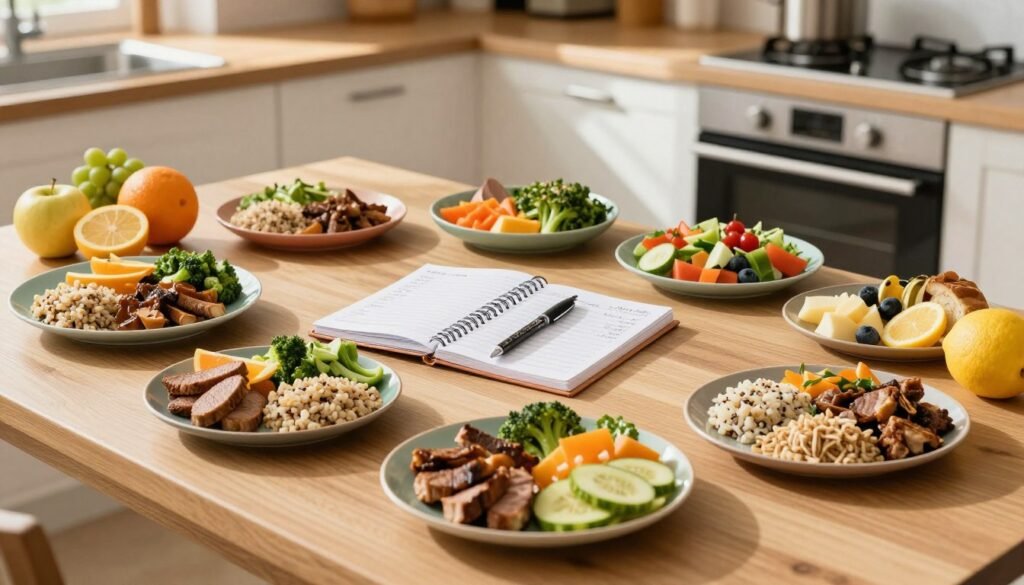
Build balanced meals with minimally processed foods
Most of your plate should be vegetables, fruit, beans, lentils, and whole grains. Add lean meats, poultry, seafood, eggs, low-fat dairy, or tofu for protein. Healthy fats from olive oil, avocado oil, nuts, and seeds add flavor and satisfaction.
Try to eat five portions of fruits and vegetables daily. About 80 grams of fresh, canned, or frozen produce is one portion. Opt for canned foods in water or their own juice. Rinse canned beans to cut down on sodium.
- Breakfast: oatmeal with berries, walnuts, and low-fat milk
- Lunch: a bean and vegetable bowl with brown rice and avocado
- Dinner: grilled salmon, roasted vegetables, and a small baked potato
- Snack: plain yogurt, an apple, or carrots with hummus
Use portion awareness instead of severe calorie restriction
Smaller servings can lower calorie intake without making meals feel like a punishment. Use a smaller plate, serve food in the kitchen, and eat slowly. Pause halfway through a meal to check if you’re full.
Skipping meals can make you too hungry and lead to snacking. Keep regular meals in your seven-day plan. A low-calorie plan of 1,200 to 1,500 calories for women or 1,500 to 1,800 for men might work for some. Your needs depend on age, body size, health, and activity level.
Choose filling foods to manage hunger
Foods high in fiber and protein help you feel full between meals. Try vegetables, fruit, beans, whole grains, eggs, fish, chicken, cottage cheese, or Greek yogurt. Drink water with meals and have easy options ready in the fridge.
Prepare chopped veggies, washed fruit, cooked beans, and brown rice for quick meals. This makes your weight loss program easier to stick to on busy days. A thoughtful 7-day diet plan for weight loss should guide your choices while leaving room for personal taste and hunger.
3. Improve your drinks, snacks, and food choices
Making small changes to what you eat and drink can help you lose weight. Focus on cutting down on added sugar, controlling portion sizes, and staying full between meals.
Replace sugary drinks with water
Soda, sweet tea, energy drinks, and flavored coffee add lots of calories but little satisfaction. Switch to water during the day. Adding lemon or lime slices can make it more exciting.
Try unsweetened tea or sparkling water for more flavor. Always check the labels for added sugar. Cutting down on liquid calories is a simple way to lose weight.
Read food labels before you buy
Compare similar products before buying. Look at serving size, calories, added sugar, and fat on the Nutrition Facts label.
Use a traffic-light labeling system if available. Choose products with more green ratings. Opt for whole-grain cereals and oatmeal over sugary ones. Look for foods with less added sugar and fat.
Plan healthier snacks
Keep healthy snacks visible. Try plain popcorn, fruit, low-fat yogurt, and rice cakes instead of junk food. Pairing a carb with protein, like an apple with peanut butter, can help you feel full.
- Wash and portion fruit when you bring it home.
- Choose popcorn with little salt and no heavy butter topping.
- Keep rice cakes and unsweetened yogurt ready for busy days.
- Store treats in smaller portions to avoid overeating.
Listen to your body during meals. If you’re full, save leftovers instead of eating everything. This helps you lose weight naturally and permanently without feeling too restricted.
4. How to lose weight in a week without exercise safely
If you can’t exercise right now, start with what you eat and drink. Losing weight mainly means taking in fewer calories than you burn. Making small changes can help without making you hungry or tired.
Switch to water or unsweetened drinks instead of soda and sweet tea. Eat more vegetables, fruits, beans, whole grains, lean proteins, and low-fat dairy. Try to avoid foods with a lot of added sugar, saturated fat, and salt.
Being mindful of your portions can help you lose weight without strict dieting. Use a smaller plate, eat slowly, and think before you take more. Aim for a balanced plate with half veggies, a quarter protein, and a quarter whole grains or starchy veggies.
Be careful with very low-calorie diets. They might offer only 800 calories a day and lead to losing 3 to 5 pounds in a week. These diets are for certain adults with obesity and health reasons for quick weight loss.
It’s important to have a doctor’s supervision for such diets. They might use meal replacements like formulas, soups, shakes, or bars. Always check with a health care provider before starting such a diet.
| Daily change | Practical choice | Why it helps |
|---|---|---|
| Drinks | Water, sparkling water, or unsweetened tea | Reduces liquid calories and added sugar |
| Grains | Oatmeal, brown rice, or whole-grain bread | Adds fiber and may improve fullness |
| Snacks | Fruit, yogurt, or vegetables with hummus | Offers nutrients with better portion control |
| Portions | Use a smaller plate and eat at a steady pace | Helps you notice fullness before overeating |
| Rapid diets | Use only with qualified medical guidance | Reduces the risk of nutrient shortages and side effects |
5. Add movement with exercise that fits your fitness level
Exercise helps with weight, mood, and heart health. Your plan should match your fitness, age, health, and daily energy. If you’re on a quick weight-loss plan, check with your doctor first.
Work toward moderate weekly activity
A good goal is 150 minutes of moderate activity each week. You can do this in short sessions, like five 30-minute walks. Even ten-minute blocks can work when you’re busy.
Try brisk walking, cycling, water exercise, or low-impact aerobics to get your heart rate up. At home, dance classes or gentle yoga are great. You should be able to speak in short sentences while exercising.
Combine cardio with strength-based movement
Cardio uses big muscles and boosts heart health. Strength exercises help keep muscle as your weight changes. Try squats, wall pushups, resistance bands, or light weights.
Begin with one or two strength sessions a week. Focus on major areas like legs, back, chest, shoulders, and core. Make sure to rest between sessions for muscle recovery.
Remember, losing weight in a week with exercise is tough. Exercise burns calories, but what you eat has a bigger impact. Aim for a safe, balanced plan that doesn’t exhaust you.
Start slowly and protect your joints
Start at a pace that feels easy. Gradually add more minutes or resistance as you get stronger. Always warm up and cool down with gentle stretches.
Wear supportive shoes for walking and standing. Low-impact activities are easier on your joints. Stop if you experience chest pain, severe dizziness, faintness, or sharp joint pain.
When wondering how to lose weight in 2 weeks, focus on safe habits, not a tight deadline. The same advice applies to everyone. A health expert might suggest waiting to start structured exercise until you’ve followed a longer eating plan, to avoid harming muscle or bone.
| Activity | Suggested starting point | Safety focus |
|---|---|---|
| Brisk walking | 10 to 20 minutes, three to five days weekly | Use supportive shoes and a level route |
| Dance or low-impact aerobics | 10 to 15 minutes at home | Keep movements controlled and avoid painful jumps |
| Strength exercises | One to two sessions each week | Use light resistance and steady form |
| Yoga or mobility work | 10 to 20 minutes on easy days | Avoid forcing stretches or holding your breath |
6. Why fad diets and rapid weight loss plans may be unsafe
Rapid weight loss plans can seem tempting when you want to lose weight quickly. A promise like a 10 kg weight loss in 7 days diet plan often hides the truth. Much of the early weight loss is from water, muscle, and carbs, not fat.
The risks of very-low-calorie diets
A very-low-calorie diet may have as few as 800 calories a day. Doctors usually suggest this for adults with obesity who need to lose weight for health reasons. This is often before weight-loss surgery.
These diets need to be watched by a health expert. They’re not recommended for more than 12 weeks. Losing weight too fast can reduce muscle and bone density and lower water weight.
- Vitamin and mineral deficiencies
- Electrolyte imbalances
- Gallstones and gout
- Fatigue, nausea, and constipation
- Diarrhea and reduced exercise tolerance
Problems with the military diet and extreme fasting
The military diet, also known as the three-day diet, limits calories to about 1,100 to 1,400 for three days. The next four days allow for about 1,500 calories. There’s no proof that its food combinations boost metabolism or fat burning.
There’s no solid research backing the claim of losing 10 pounds in seven days with this diet. Extreme fasting and time-restricted eating may lead to quick weight loss. But, there’s little evidence it helps keep weight off long-term. The safest fasting schedule is not yet clear.
Severe restriction can lead to nutrient deficiencies, muscle loss, bone loss, and eating disorders. A balanced plan with enough protein, fiber, fluids, and nutrients is safer and easier to follow.
Warning signs that you are not eating enough
Listen to your body’s response to a restrictive diet. Persistent hunger is a sign you need more energy and nutrients.
- Ongoing fatigue or weakness
- Nausea that does not ease
- Constipation or diarrhea
- Dizziness or trouble focusing
- Persistent hunger or strong food cravings
If you experience these symptoms, stop the extreme diet and talk to a health professional. You deserve a weight-loss plan that supports your energy, muscle, digestion, and overall health.
7. Support lasting weight loss naturally and permanently
Keeping weight off is about making steady habits, not quick fixes. Your eating, exercise, sleep, and stress levels all play a role. A good plan helps you lose weight naturally and keep it off without harmful shortcuts.
Starting small may seem slow. But these small steps are easier to keep up with. This can help avoid gaining back weight after losing it.
Prioritize sleep and stress management
Try to sleep the same hours each night, aiming for seven to nine hours. Bad sleep can make you hungrier and more likely to crave unhealthy foods. Make your bedroom cool, dark, and quiet.
Stress can lead to overeating or skipping meals. Try a short walk, slow breathing, or light stretching before bed. These simple steps can help without taking up too much time.
Track habits, not just weight
Weight can change for many reasons, not just fat loss. Daily weight readings don’t tell the whole story. Focus on habits you can control, like drinking water, eating veggies, and getting enough sleep.
- Record meals and snacks with brief notes.
- Mark movement, sleep, and stress each day.
- Check your weight at a consistent time if you choose to weigh.
- Review your progress once a week instead of judging one reading.
A healthy choices quiz can highlight areas for improvement. Use the results to guide you, not to feel guilty.
Build accountability into your weight-loss program
Tell someone you trust about your goals. A friend, partner, or health professional can offer support. Ask for specific help, like weekly check-ins or encouragement when shopping for food.
Structured weight management services offer personalized advice. In the U.S., ask your doctor about local services and support. A professional can tailor your plan to fit your health needs.
| Habit area | Simple action | Useful tracking method | Support option |
|---|---|---|---|
| Sleep | Keep a steady bedtime and wake time | Record hours slept | Ask a partner to protect quiet time |
| Stress | Take a ten-minute walk or practice slow breathing | Rate stress from 1 to 5 | Discuss repeated stress with a health professional |
| Food | Build meals around vegetables, protein, and whole grains | Use a simple meal log | Plan meals with a trusted friend |
| Movement | Add walking or strength exercises that fit your ability | Mark active days on a calendar | Join a local class or support group |
| Accountability | Review progress once each week | Track habits, not perfection | Ask your provider about weight management services |
8. How to continue losing weight in a month and beyond
To learn how to lose weight in a month, focus on making lasting changes. Avoid quick fixes like crash diets. Instead, adopt a steady routine for gradual weight loss.
Stick to a regular meal schedule. Include foods like fruits, veggies, lean proteins, whole grains, and healthy fats. Choose water over sugary drinks. Always read food labels to understand calories, added sugar, sodium, and serving sizes.
A low-calorie diet can include regular foods and meal replacements. This method is simple for some. But, if you’re cutting calories too much, talk to a healthcare provider. They can help ensure you’re getting enough nutrients.
The military diet is sometimes followed for up to a month. Its strict rules are hard to keep up with and may not be balanced. Repeating this diet can lead to hunger, fatigue, and weight gain.
Choose activities that fit your abilities. Try walking, biking, swimming, or light strength exercises. Start slow and gradually increase the intensity. Your plan should match your health, schedule, and access to safe exercise.
Many people regain weight after going back to old habits. To avoid this, change the habits that led to weight gain. Track your meals, movement, sleep, and hunger cues instead of just focusing on weight.
Use this guide when planning how to lose weight in a month without extreme promises:
| Daily focus | Practical choice | Why it supports weight loss |
|---|---|---|
| Meals | Eat balanced meals at regular times | Helps control hunger and supports steady energy |
| Drinks | Choose water over sugary beverages | Reduces added sugar and liquid calories |
| Food quality | Include vegetables, fruit, protein, and whole grains | Adds fiber and nutrients to your eating plan |
| Movement | Choose activity suited to your fitness level | Supports health and strengthens daily habits |
| Monitoring | Review habits each week | Shows where small changes can support weight loss |
9. Conclusion
Starting to lose weight in a week means setting realistic goals. Aim for losing 1 to 2 pounds, or 0.5 to 1 kilogram. Fast weight loss might just be water, not fat.
Eat meals with foods that are not heavily processed. Include fruits, vegetables, lean proteins, and whole grains. Try to have five servings of fruits and vegetables every day. Drink water instead of sugary drinks and read food labels.
Plan healthy snacks and don’t skip meals. Adding more movement is key. Start with 150 minutes of moderate activity each week, if you can.
Stay away from very-low-calorie diets and extreme fasting. The military diet is not safe without a doctor’s advice. A health care provider can guide you if you have obesity or take certain medications.
They can also help if you’re pregnant, a teenager, or an older adult. Building steady habits is more likely to lead to lasting results.