


Changes in the week before menstrual bleeding can affect the body and emotions. Roughly 8 in 10 people who menstruate report at least one premenstrual symptom. These physical and emotional changes vary from person to person, and they do not mean someone will become emotionally volatile.
About 1 in 10 people meet the clinical definition of premenstrual syndrome (PMS). Mild symptoms may be manageable, but recurring or severe concerns deserve care. You do not have to dismiss them or feel like you must handle them alone.

This guide explores cycle-related patterns and practical ways to cope, including symptom tracking and sleep support. It also explains what to avoid and how to discuss medication safety with a health professional. If your mood changes disrupt daily life, seek personalized advice.
Key Takeaways
- Premenstrual symptoms are common, but experiences differ.
- Track symptoms to spot patterns over time.
- Support sleep with a steady bedtime routine.
- Ask a healthcare professional before using medication.
- Get help for severe or recurring symptoms.
1. Understanding period mood swings and changes during your period
Emotional and physical experiences can overlap before or during a period. Irritability or anxiety may occur alongside bloating, cramps, or changes in sleep. These responses are not a personal failing, and they can differ from one cycle to the next.
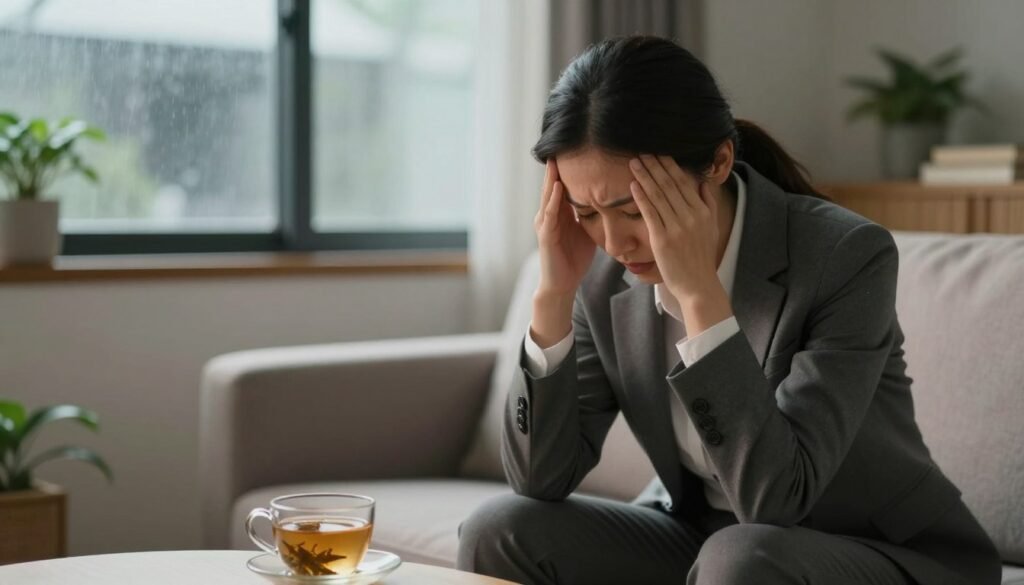
How emotional and physical symptoms can overlap
A 2018 study of 328 participants aged 16 to 35 in Delta State, Nigeria, found that physical, behavioral, and mood-related symptoms could occur together. Researchers reported that 67.4% met the study’s measure of premenstrual syndrome (PMS). That figure describes this group and method; it is not a universal rate for women.
Why experiences may vary from cycle to cycle
Stress, food, exercise, and sleep may shape premenstrual experiences. In the study, 72.9% said stress made their PMS episodes worse. One month’s pattern does not predict the next. Tracking symptoms over time can reveal personal patterns and guide support, rather than relying on assumptions. Common emotional changes, including mood swings, do not mean someone has depression or needs to manage them alone.
| Study finding | Reported result | How to interpret it |
|---|---|---|
| PMS estimate | 67.4% of 328 participants | Specific to the study group and methods |
| Stress and symptoms | 72.9% reported worse episodes | Stress may influence experiences |
2. How hormonal fluctuations may affect mood
Hormone levels follow a pattern throughout the menstrual cycle, but researchers have not found one full explanation for PMS. Researchers are still studying a possible link between hormones, the brain, and emotional changes.

Estrogen and progesterone across the cycle
The cycle starts on the first day of bleeding and ends before the next period. Estrogen and progesterone are usually lowest during menstruation. Estrogen rises and peaks shortly before ovulation, then falls. After ovulation, progesterone rises. If pregnancy does not occur, both hormones fall.
The luteal phase and premenstrual changes
The luteal phase is the time between ovulation and menstruation. Some people notice symptoms during these days. Hormonal fluctuations may affect brain signaling, which could shape how someone might feel. Still, hormonal changes do not affect everyone in the same way, and no single pattern explains premenstrual syndrome. The brain’s response to normal hormone shifts may also matter. These changes alone do not confirm PMS.
| Cycle stage | Typical hormone pattern | What to know |
|---|---|---|
| Menstruation | Estrogen and progesterone are low | The cycle begins with bleeding |
| Before ovulation | Estrogen rises and peaks | Levels then begin to fall |
| Luteal phase | Progesterone rises, then falls if pregnancy does not occur | Some people report premenstrual changes |
3. Common emotional and physical changes during your period
Some people notice emotional symptoms and body discomfort near bleeding. These experiences can vary across the menstrual cycle, and not everyone has the same combination.
Irritability, anxiety, low mood, and difficulty concentrating
Reported changes include irritability, anxiety, feeling low, crying more, and trouble focusing. The brain and body both play a role in how someone feels. PMS can include these symptoms, but they do not alone confirm premenstrual syndrome.
- Emotional changes may include irritability, anxiety, or depressed mood.
- Some women notice difficulty concentrating or more crying than usual.
Bloating, cramps, headaches, fatigue, and sleep changes
Bloating, cramps, headaches, fatigue, and poor sleep can occur, too. Physical pain may affect mood, so period swings can feel harder to manage. A 2018 study in Delta State, Nigeria, found that 69.5% of participants reported premenstrual pain. Researchers also recorded digestive changes and breast tenderness.
These symptoms may be manageable, but note which ones recur and whether they disrupt daily tasks. Severe or ongoing concerns deserve attention from a health professional.
| Experience | Examples | Study detail |
|---|---|---|
| Emotional | Irritability, anxiety, low mood | Reported premenstrual symptoms |
| Physical | Cramps, bloating, fatigue | 69.5% reported pain |
| Other body changes | Digestive changes, breast tenderness | Also recorded in the study |
4. How to distinguish PMS from premenstrual dysphoric disorder
PMS includes a range of recurring emotional and physical concerns. A more severe response to menstrual-cycle changes may point to premenstrual dysphoric disorder (PMDD), but a symptom list cannot confirm this condition.
When premenstrual symptoms may be PMDD
Someone with PMDD may experience intense depression, anxiety, irritability, or stress during the luteal phase. These symptoms can be linked to hormonal changes, though estrogen and progesterone fluctuations do not affect everyone alike. PMS, also called premenstrual syndrome, can include pain and emotional symptoms; PMDD tends to be more severe.
“A symptom list can guide a conversation, but it cannot make a diagnosis.”
One source estimates PMDD affects up to 7 in 100 people with cycles. A 2018 study of 328 participants ages 16–35 in Delta State, Nigeria, reported 25.6%. Estimates differ by population and methods. The American College of Obstetricians and Gynecologists offers clinical guidance on premenstrual syndrome diagnostic criteria.
How symptoms that disrupt daily life can be a sign to seek support
If recurring changes make work, school, plans, or close relationships hard, contact a health professional. The American College of Obstetricians and Gynecologists is a useful source for care guidance. PMS and premenstrual syndrome are not the same as a PMDD diagnosis.
| Pattern | What it may involve | Helpful next step |
|---|---|---|
| PMS | A range of recurring symptoms | Discuss concerns with a clinician |
| Possible PMDD | Severe distress that disrupts daily life | Seek a professional assessment |
| Study estimates | Rates vary across groups and methods | Do not use one figure to self-diagnose |
5. Track mood and symptoms to identify cycle patterns
A brief daily log can help you see when emotional or physical shifts tend to happen. It may also show whether mood swings line up with poor rest, pain, or a demanding week.
What to record each day
Note feelings, sleep, pain, stress, bleeding dates, social plans, and other body changes. Record both the timing and intensity of symptoms. Premenstrual syndrome can vary from month to month, so track for several cycles to spot patterns. Include how many hours you sleep and any difficulty with rest; sleep can affect how your brain handles stress.
- Use a simple scale, such as mild, moderate, or severe.
- Check whether symptoms occur on the same days as sleep loss or social strain.
- Bring recurring concerns to a healthcare professional if they cause difficulty.
“A clear record can turn a hard-to-explain experience into useful information.”
Clue offers daily feeling check-ins. Its Clue Plus Analysis Tab can show when feelings often occur across your cycle. Use any tracker that feels easy to keep up with over time.
| Track | What to note | Why it helps |
|---|---|---|
| Daily symptoms | Timing and intensity | Shows recurring patterns |
| Rest and stress | Sleep hours and stressful events | May reveal related factors |
| Social and physical details | Plans, pain, and bleeding dates | Gives a fuller picture to discuss with a clinician |
6. Everyday habits that may help manage period mood swings
Small, steady routines may support well-being when you notice changes before bleeding. PMS, also called premenstrual syndrome, can vary, so try one habit at a time and note how you might feel.
Keep a consistent sleep routine
Go to bed and wake up at similar times each day. Track rest beside symptoms, since sleep changes may affect how you feel. A simple sleep log can help you spot patterns over a month.
Try regular movement and stress-reduction practices
Consider gentle walks, yoga, or another activity you enjoy. A 2018 study found that 72.9% of participants reported worse PMS episodes during stress. Breathing exercises or quiet breaks may help you manage tension, though results differ.
Choose balanced meals and notice potential triggers
Build meals around nourishing foods, and keep a brief food-and-symptom record. This can reveal personal patterns without assuming one food causes irritability or pain. These habits may support daily life, but they are not a guaranteed fix. Seek care if symptoms disrupt work, relationships, or other routines.
7. Ways to ease physical discomfort that can affect your mood
Discomfort may add strain when symptoms occur. During the menstrual period, simple comfort steps may ease cramps and support daily routines. Notice any changes and choose options that feel safe for your health.
Use warmth and gentle activity for cramps
A heating pad or warm bath may soothe cramps. In a 2018 study, 72.3% of participants said warmth and pressure eased pain. That finding reflects the study group, not a guaranteed result for everyone.
If it feels comfortable, try a slow walk or gentle stretching. Stop if movement worsens physical pain, and seek guidance for significant discomfort.
Discuss safe relief options with a healthcare provider
The study found that 60.1% used medication for PMS. Participants reported Paracetamol use at 26.5% and Piroxicam at 14.3%. These results do not show that either medicine suits everyone. Ask about your health history, other medicines, and safe choices before using pain relief.
Severe, recurring, or unusual discomfort may need evaluation for an underlying cause. Avoid relying on repeated self-treatment without advice.
| Study finding | Reported result | Key point |
|---|---|---|
| Warmth and pressure | 72.3% | Participants reported relief |
| Medication use | 60.1% | Use does not prove universal safety |
| Reported medicines | Paracetamol 26.5%; Piroxicam 14.3% | Discuss personal options with a clinician |
8. What not to do when mood swings occur
When emotional strain appears around your cycle, avoid quick assumptions or unreviewed remedies. A careful response can help protect your health.
Don’t dismiss severe or recurring symptoms
Do not brush aside symptoms that disrupt sleep, work, school, relationships, or daily life during your period. Note when they occur and how they affect you. Also, do not assume every emotional change comes from PMS. Stress, poor rest, and other health concerns may play a role.
Check before using medication or supplements
Do not start a medicine or supplement based on someone else’s experience or a study result. A 2018 study found that 39.9% of participants never used drugs for PMS, while 60.1% used medication at some frequency. It reported Paracetamol use by 26.5% and Piroxicam use by 14.3%.
Those figures describe one study, not personal safety advice. Ask a healthcare professional before using medication or supplements, especially if you have a health condition or take other treatments. Support from a clinician can help you assess recurring changes linked to premenstrual syndrome.
9. Consider stress and existing mental health conditions
Stress and ongoing health concerns can shape how you feel across the menstrual cycle. Some people notice mood swings before bleeding, while others see no clear link. These patterns differ from person to person.
Notice whether anxiety or depression worsens at certain points in your cycle
Premenstrual magnification means an existing mental or physical condition gets worse before a period. In that case, symptoms may reflect a temporary increase in a familiar concern, not a new mental health experience. Hormones and hormonal changes may play a role, but they do not affect everyone alike.
In a 2018 study in Delta State, Nigeria, 72.9% of participants reported worse PMS episodes during stress. This result describes that study group, not every person. Track anxiety, depression, sleep, stress, and emotional changes over time. Note when they occur and discuss recurring patterns with a clinician.
- Record symptoms across cycle phases.
- Include life events that may affect daily mood.
- Share the record if you feel like changes are hard to manage.
| What to track | What to note | Why it helps |
|---|---|---|
| Anxiety or depression | Timing and intensity | May show recurring patterns |
| Stress and sleep | Events and rest quality | Adds context to cycle-related changes |
| Daily symptoms | How they affect routines | Supports a clear clinician discussion |
10. When to contact a healthcare provider
Cycle-related distress around your period deserves attention when it affects your health or ability to manage daily life. You do not need to wait for another cycle to ask for help.
Seek help when daily responsibilities become difficult
Contact a healthcare provider if symptoms repeatedly disrupt work, school, relationships, or routine tasks. Severe PMDD can lead to missed work, canceled plans, or difficulty connecting with loved ones. These changes deserve care, not judgment.
- Note how often concerns occur and which responsibilities they affect.
- Record symptom timing, pain levels, and cycle dates to share at an appointment.
- Ask for help if emotional distress or physical discomfort keeps returning.
Get prompt support for severe depression or self-harm thoughts
Seek prompt professional support for severe depression or thoughts of self-harm. Do not wait to see whether they pass after a few days or with the next menstrual period. If you may act on these thoughts, call or text 988 in the United States, or go to an emergency department now.
Before a visit, note when mood swings begin and how your daily mood feels. Women deserve care for recurring pain or emotional distress when either limits daily function.
11. How a healthcare provider can help with treatment options
A care visit can turn a confusing pattern into a clear plan. A healthcare provider can review your menstrual cycle, symptoms, pain, and health history before suggesting next steps.
Discuss your history and options for personalized care
Share when changes begin, how long they last, and how they affect daily life. This context can help assess whether PMS or premenstrual syndrome fits, whether premenstrual dysphoric disorder (PMDD) may be involved, or whether other conditions need review. Hormones and the brain may play a role, but another condition can cause similar concerns.
A study lists SSRIs, NSAIDs, and oral contraceptive pills as possible approaches. It also names exercise, yoga, and stress-reduction programs. These are discussion topics, not guaranteed treatments. Ask about benefits, risks, and alternatives before starting medication or supplements. The right choice depends on your needs and medical history.
| Care topic | Options to discuss | Question to ask |
|---|---|---|
| Medication | SSRIs, NSAIDs, or oral contraceptive pills | What benefits and risks apply to me? |
| Daily support | Exercise, yoga, or stress-reduction programs | Which option fits my routine? |
| Assessment | Cycle timing, pain, and existing conditions | Could another cause explain these changes? |
12. Conclusion
Learning to manage period mood swings starts with noticing your own pattern, not judging it. About 8 in 10 people who menstruate report at least one premenstrual symptom, but each experience differs.
Track emotional and physical symptoms across several cycles, and record their timing and intensity. Share recurring patterns with a healthcare professional. Steady sleep, comfortable movement, and stress-reduction practices may help you cope with PMS. These steps can support daily well-being, though they may not prevent mood swings.
Do not dismiss severe symptoms or take medicines or supplements without checking that they are safe for you. If mood swings disrupt life, or you have severe depression or thoughts of self-harm, seek professional support promptly. You deserve care, and help is available.