


Salmonella bacteria can cause salmonellosis, a type of food poisoning. Contaminated food is a common way people become infected. Symptoms often include diarrhea and fever, which can range from mild to severe.
The World Health Organization (WHO) lists Salmonella among the four leading global causes of diarrheal disease. Symptoms may start 6–72 hours after a person eats contaminated foods, though they often begin within 12–36 hours. A supplied source reports more than one million infections in the United States each year. WHO also estimates that 60–80% of cases are not linked to a recognized outbreak, so many infections occur outside widely reported events.
This guide covers common causes, symptoms, diagnosis, treatment, and prevention. It offers practical information to help readers understand potential risks and recognize when it’s time to seek care.

Key Takeaways
- Contaminated food can spread Salmonella.
- Symptoms may include diarrhea and fever.
- Signs can begin within hours or take longer to appear.
- Many cases do not belong to a recognized outbreak.
- The guide explains diagnosis, treatment, and prevention.
What Is Salmonellosis and What Is Salmonella?
Salmonellosis is an illness caused by Salmonella, the bacteria that cause the infection—not the name of the bacteria itself. It usually affects the digestive tract and may cause diarrhea, cramps, fever, or nausea.
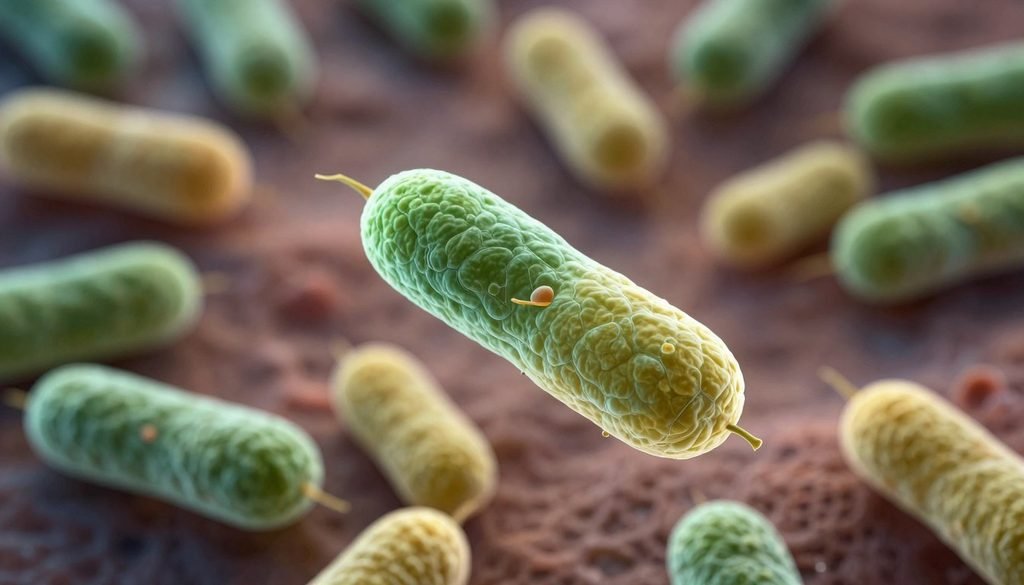
Salmonella is a Gram-negative genus in the Enterobacteriaceae family. It includes two species, Salmonella enterica and Salmonella bongori, with more than 2,500 identified serotypes. The World Health Organization highlights Enteritidis and Typhimurium as important types that spread from animals to humans.
How Salmonella Bacteria Cause Infection
After Salmonella bacteria enter the body, they can multiply in the gut and trigger symptoms. They can also survive for weeks in dry settings and for months in water. Many cases are mild, and infections often clear without specific treatment.
Salmonellosis Compared With Other Foodborne Illnesses
Other bacteria can cause a similar illness. For example, Salmonella and E. coli may both lead to diarrhea, fever, cramps, and nausea, but they belong to different bacterial families. The symptoms alone may not show which disease a person has. A health professional can help identify the cause.
How Salmonella Spreads to People
Salmonella spreads through several everyday routes, including food, water, and close contact. Knowing how exposure happens can help people lower the risk of infection at home and in public settings.
Food, Water, and Person-to-Person Transmission
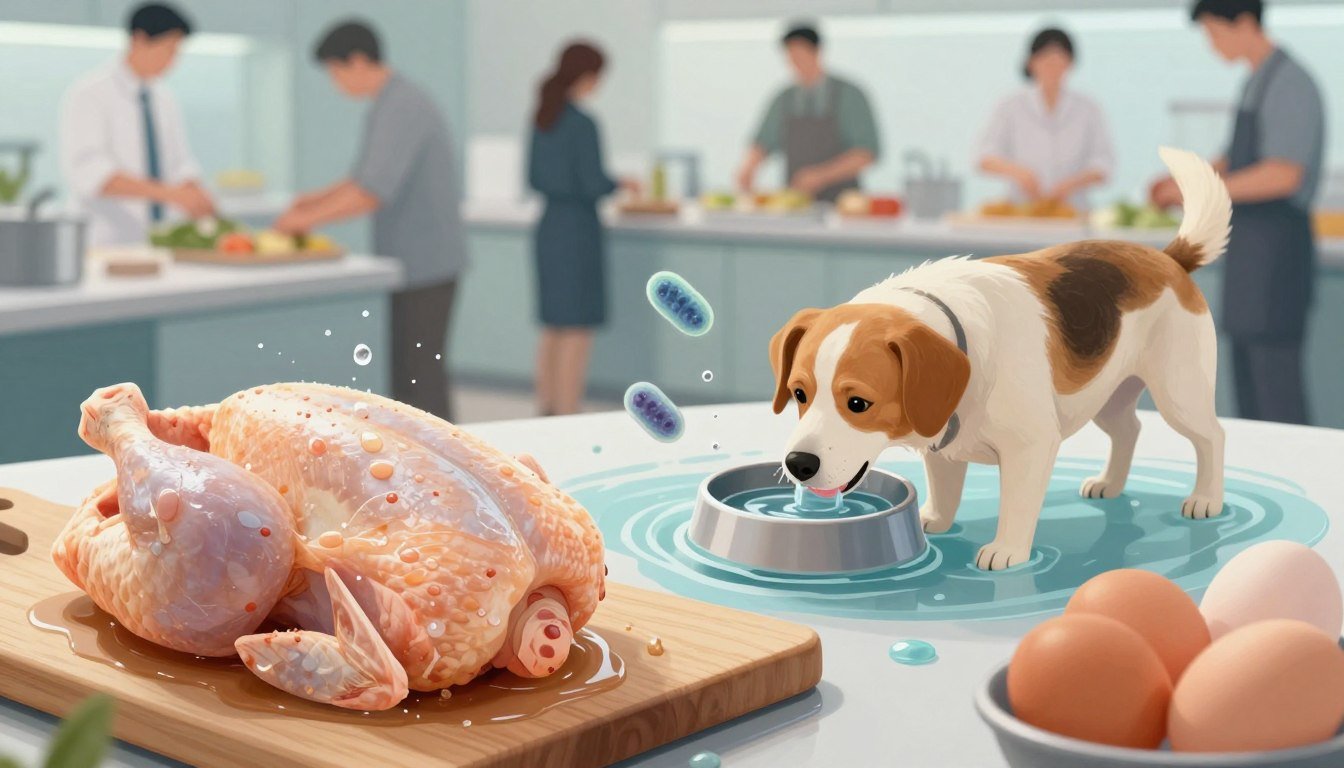
Salmonella can move through the food chain, from animal feed and farms to kitchens, restaurants, and institutions. People may become ill after eating contaminated food. The bacteria can also survive for months in water, so safe water handling matters.
Infections can pass between people through the fecal-oral route. This may happen when traces of stool reach another person’s mouth. After using the bathroom or changing a diaper, wash hands well with soap and water to help prevent infection.
Contact With Animals and Pets
Poultry, pigs, cattle, cats, dogs, birds, and reptiles such as turtles may carry Salmonella. An animal can spread it to humans without appearing sick. Salmonella may also live in a pet’s surroundings, so wash hands after animal contact.
Careful hygiene helps reduce exposure to Salmonella and lowers the chance of a Salmonella infection.
Foods and Exposures Linked to Salmonella Infection
Salmonellosis food poisoning often follows eating contaminated food. Salmonella may be present in foods from animals, as well as produce and other items. The type of food does not always reveal the risk.
Raw or Undercooked Eggs, Meat, and Poultry
The World Health Organization links eggs, meat, poultry, and milk to human infections. Raw or undercooked eggs, dough, and poultry can carry bacteria. One U.S. estimate reports Salmonella in one of every 25 grocery-store chicken packages.
Juices from raw meat or poultry can spread germs to counters, utensils, and ready-to-eat food. Keep raw and cooked items apart during storage and meal preparation.
Produce, Dairy Products, and Other Contaminated Foods
Green vegetables may pick up bacteria from manure or handling. Fruits, leafy greens, and sprouts have also been linked to U.S. outbreaks. Past cases have involved dairy products, nut butters, processed products, and pet foods or treats. Animals can carry germs that reach food through contact or handling. These exposures can lead to a Salmonella infection.
| Food or exposure | Examples | Risk to watch for |
|---|---|---|
| Animal-origin foods | Eggs, meat, poultry, milk | Raw or undercooked items |
| Produce | Vegetables, fruits, leafy greens, sprouts | Manure or handling contamination |
| Other sources | Nut butters, pet treats, raw juices | Contact with surfaces or ready-to-eat food |
Salmonellosis Symptoms and When They Begin
Symptoms can range from mild stomach upset to severe illness. A Salmonella infection often causes digestive problems, but warning signs can call for prompt medical advice.
Common Signs of Infection
Common symptoms include diarrhea, stomach cramps, nausea, and sometimes vomiting. A fever may occur, too. Most cases improve with time, but symptoms can affect daily activities.
Onset and Duration
Symptoms may begin 6–72 hours after exposure. WHO reports a usual start within 12–36 hours; another source gives a 12–72-hour range. Most people recover in 2–7 days, while another estimate puts recovery at four to seven days. These ranges describe reported cases in the United States.
Warning Signs and Dehydration
High fever, headache, unusual tiredness, rash, or blood in urine or stool may point to more serious disease. Severe diarrhea can cause dangerous dehydration, especially in children and older adults. Seek medical guidance if symptoms are severe or persistent, or if dehydration raises health concerns.
| What to watch | Typical details | When to seek guidance |
|---|---|---|
| Digestive symptoms | Diarrhea, cramps, nausea, vomiting | Symptoms persist or worsen |
| Fever and timing | Fever may start within hours | Fever is high or ongoing |
| Severe signs | Blood, rash, lethargy, dehydration | Contact a health professional promptly |
Who Is at Higher Risk for Severe Salmonellosis?
Age and immune defenses can affect how strongly the body responds to a foodborne illness. The World Health Organization identifies young children, older adults, and people with weakened immunity as groups more likely to face severe disease.
Groups That May Need Extra Care
Children younger than five, older adults, and people with weakened immune systems may be more likely to develop a serious infection. Diarrhea or vomiting can drain fluids quickly. Dehydration can become life-threatening, especially for young children and older adults.
Some Salmonella types can spread beyond the gut and cause invasive disease. Certain types linked to specific hosts may also threaten human health. People at higher risk should contact a healthcare professional promptly for bloody stool, a high fever, or signs of dehydration.
Animals can carry bacteria, but a person’s health status also shapes risk. A supplied U.S. estimate reports more than one million infections each year. That figure includes many cases with different levels of severity; it does not predict how sick any one person will become.
| Group | Why extra care matters | When to seek advice |
|---|---|---|
| Children under five | Fluid loss may become serious quickly | Dehydration, bloody stool, or high fever |
| Older adults | Dehydration may pose greater danger | Severe or worsening symptoms |
| People with weakened immune systems | Severe or invasive disease is more likely | Prompt medical guidance for concerning symptoms |
How Salmonella Infection Is Diagnosed
When symptoms suggest a foodborne illness, a clinician reviews the person’s symptoms and exposure history. They may ask what the person ate, when symptoms began, and whether others became ill. This helps assess a suspected Salmonella infection and decide if testing may help.
A stool sample can help a lab identify Salmonella bacteria in humans. Results may take several days, so they can arrive after symptoms start to ease. In the United States, the need for testing depends on a person’s symptoms and health status.
If symptoms last about a week, a clinician may consider blood tests or look for another cause of disease. Some cases also emerge during an outbreak investigation. The World Health Organization reports that 60–80% of cases are not linked to a known outbreak. Public health systems track clusters, but they may not capture all infections. Testing decisions depend on each person’s condition and clinical assessment.
Salmonellosis Treatment and Recovery
Most people recover without specific care. One source reports that the illness usually lasts four to seven days. Rest and fluids can support recovery, but severe symptoms may need medical attention.
Replacing Fluids and Electrolytes
Frequent diarrhea or vomiting can drain fluids from the body. Drinking water and other fluids helps replace those losses. A clinician may suggest an oral rehydration solution, which replaces water and key salts. Severe dehydration may require fluids through an IV, along with sodium, potassium, and chloride.
When Medical Care or Antibiotics May Be Needed
A healthcare professional can guide treatment when symptoms are severe, such as a high fever or signs of dehydration. For otherwise healthy people with mild or moderate illness, WHO does not recommend routine antibiotic use. Unnecessary antibiotic use can contribute to drug resistance, and antibiotics do not work against every bacterial infection.
Clinicians may consider antibiotics for infants, older adults, people with weakened immune systems, or cases that spread beyond the gut. Anyone with concerns about symptoms should contact a health professional.
| Situation | Possible care | Next step |
|---|---|---|
| Mild fluid loss | Water or oral rehydration solution | Replace fluids often |
| Severe dehydration | IV fluids and electrolytes | Seek medical care |
| Higher-risk case | Antibiotics may be considered | Follow clinician advice |
How to Prevent Salmonellosis at Home
Clean habits in the kitchen and around pets can lower the chance of Salmonella infection. WHO’s Five Keys to Safer Food advise people to keep clean, separate raw and cooked items, cook food thoroughly, keep it at safe temperatures, and use safe water and ingredients.
Cook Food Thoroughly and Prevent Cross-Contamination
Cook meat and poultry fully, and avoid raw or undercooked eggs and meat. Use separate cutting boards and utensils for raw items and ready-to-eat food. Refrigerate foods promptly to limit bacterial growth.
Wash Hands, Produce, and Kitchen Surfaces
Wash hands with soap and water before cooking, after using the bathroom, and after animal contact. Rinse fruits and vegetables well, especially when serving them raw. Choose pasteurized dairy products instead of raw milk. Clean surfaces first, then sanitize them. One supplied source recommends one tablespoon of chlorine bleach per gallon of water; follow the product label. Salmonella may remain on household surfaces for up to 32 hours.
Handle Pets and Potentially Contaminated Foods Safely
Keep pet food away from meal areas, and supervise children near animals. Turtles and other reptiles can carry bacteria without looking sick. During an outbreak, follow recall notices, avoid the listed food, and clean any surfaces it touched.
Conclusion
Safe food habits can help keep Salmonella off the plate and protect health. Salmonellosis is an illness caused by Salmonella bacteria, often picked up through contaminated food or contact with animals. Common symptoms include diarrhea, fever, belly cramps, and nausea. Symptoms often start 12–72 hours after exposure.
Fluids and electrolyte drinks support recovery, and hydration is a key part of treatment. A clinician may use antibiotics only for certain severe infections or people at higher risk. For prevention, cook food fully, keep raw items apart from ready-to-eat foods, wash hands with soap, and clean counters and utensils.
Anyone with severe illness, signs of dehydration, or a condition that raises health risks should contact a healthcare professional promptly. Early advice can help guide safe care and recovery.