


What if the most crucial phase of motherhood is often overlooked? The postpartum period, known as the fourth trimester, is a time of profound change. New mothers experience significant physical and emotional shifts as their bodies recover from childbirth. Understanding these transitions is vital for a successful postpartum recovery.
This guide emphasizes the importance of comprehensive postpartum care. Recovery timelines can vary, generally lasting between 6 to 12 weeks, with ongoing healing afterward. New mothers may face challenges such as body recovery and hair loss during this time. A holistic postpartum wellness guide is essential for supporting their well-being and helping them navigate this transformative experience.

Key Takeaways
- The postpartum period is often called the fourth trimester.
- Recovery involves significant physical and emotional changes.
- Timelines for recovery typically range from 6 to 12 weeks.
- Common challenges include body recovery and hair loss.
- A comprehensive postpartum wellness guide is essential for new mothers.
- Understanding these changes can enhance maternal well-being.
1. Understanding the Postpartum Period: The Fourth Trimester
The postpartum period, also known as the fourth trimester, starts right after childbirth. It lasts about 6 to 8 weeks. This time is key for mothers as they deal with big changes in their bodies and minds. Knowing about these changes helps manage the recovery better.
Physiological and Emotional Changes After Childbirth
Women go through many postpartum body changes after giving birth. Some key changes include:
- Uterine involution, where the uterus goes back to its original size.
- Hormonal shifts that can affect mood and health.
- Healing of perineal or surgical tissues after delivery.
- Stabilization of postpartum bleeding, known as lochia.
Emotional adjustments are also crucial. New mothers may face:
- Mood swings due to hormonal changes.
- Baby blues, which can cause sadness or anxiety.
- Increased risk of mood disorders like postpartum depression.
Importance of Comprehensive Postpartum Care
Comprehensive postpartum care is essential for checking both physical and emotional health. This care includes:
- Regular check-ups to see how recovery is going.
- Support for emotional well-being to spot any issues early.
- Helping with bonding between mother and baby through supportive practices.
By understanding the postpartum body changes and focusing on recovery, mothers can have a smoother transition into motherhood.
2. Postpartum Recovery Timeline: What to Expect in the First 12 Weeks
The postpartum healing timeline is key for new moms. Knowing the recovery stages helps set realistic goals. Each stage has its own challenges and achievements. This section covers what to expect in the first 12 weeks after giving birth, offering helpful tips for recovery.
Immediate Recovery: Weeks 0-2
The first two weeks can be tough. New moms might face:
- Uterine cramping as the body goes back to normal.
- Perineal soreness, especially after a vaginal delivery.
- Fatigue from labor and adjusting to a newborn’s schedule.
Rest is crucial during this time. Gentle movements can help with recovery.
Early Healing: Weeks 2-6
As recovery moves forward, moms often see improvements. This stage includes:
- Less discomfort and more mobility.
- Starting light pelvic floor exercises.
- Slowly getting back to daily tasks.
It’s vital to listen to your body and not rush recovery.
Strength and Routine: Weeks 6-12
By weeks 6 to 12, moms can work on rebuilding strength. Key points include:
- Doing regular physical activities.
- Adjusting emotionally to motherhood.
- Managing hormonal changes that can affect mood.
Many women experience hair loss during this time due to hormonal changes.
| Recovery Phase | Key Changes | After Birth Recovery Tips |
|---|---|---|
| Weeks 0-2 | Cramping, soreness, fatigue | Prioritize rest and hydration |
| Weeks 2-6 | Improved mobility, light exercises | Start pelvic floor exercises gradually |
| Weeks 6-12 | Increased strength, emotional adjustments | Engage in regular activities and seek support |
3. Postpartum Body Changes and Healing After Childbirth
The postpartum period brings big changes to the body and needs time to heal. Knowing about these changes helps new moms feel more confident in their recovery. This section talks about uterine involution, vaginal healing, and managing surgical site recovery. It also covers common postpartum hair loss.
Uterine Involution and Vaginal Healing
Uterine involution is when the uterus goes back to its pre-pregnancy size. This usually takes about six weeks. During this time, you might feel cramps, see more vaginal discharge, and notice changes in your uterus.
Vaginal healing is key for moms with tears or an episiotomy. To help your body heal, keep the area clean and dry. Use ice packs to reduce swelling and take pain relief as directed by your doctor.
Managing Perineal and Surgical Site Recovery
For moms who had a C-section, healing the surgical site is important. To help your incision heal, keep it clean and dry. Avoid heavy lifting and strenuous activities. Watch for signs of infection like redness or discharge.
Postpartum hair loss is another common issue. It happens because of hormonal changes and usually peaks three to six months after giving birth. It’s a temporary problem. To manage it, eat a balanced diet, handle your hair gently, and talk to your doctor if it persists.
4. Essential Postpartum Recovery: Physical Care and Activity
The postpartum period is a time for new moms to focus on their physical recovery. Safe exercises and a balanced diet help a lot. It’s important to follow after birth recovery tips to rebuild strength and stay well.
Safe Exercises for New Moms
Starting with gentle exercises is key for new mom physical recovery. Here are some safe activities to consider:
- Pelvic floor exercises: Strengthen the pelvic muscles to support bladder control.
- Walking: A simple way to increase activity without overexertion.
- Yoga: Promotes relaxation and flexibility while easing tension.
- Core exercises: Gradually reintroduce core strengthening to rebuild abdominal muscles.
Nutrition and Hydration Tips to Support Healing
Nutrition is crucial for recovery. New mothers should eat a balanced diet that includes:
- Protein: Essential for tissue repair and energy, found in lean meats, beans, and dairy.
- Fruits and vegetables: Provide necessary vitamins and minerals for overall health.
- Hydration: Aim for adequate fluid intake to support milk production and recovery.
Following these after birth recovery tips can enhance the healing process. New moms should listen to their bodies and progress at their own pace. Emphasizing physical care and nutrition will lead to a smoother postpartum experience.
5. Postpartum Recovery and Breastfeeding Support
Breastfeeding is key in postpartum recovery. It brings health benefits to both mom and baby. New moms might face issues like latch problems, engorgement, and sore nipples.
Getting help from lactation consultants is very helpful. They teach the right techniques and help solve problems. Support groups also offer encouragement and shared experiences, boosting new moms’ confidence.
Breastfeeding helps with hormonal recovery and overall health. It releases oxytocin, which helps the uterus contract and reduces bleeding. Adding breastfeeding support to a postpartum care plan is vital. It ensures moms get all the help they need during this time.
- Seek help from a lactation consultant for latch issues.
- Join a breastfeeding support group for community and encouragement.
- Educate yourself about common breastfeeding challenges.
- Practice skin-to-skin contact to promote bonding and breastfeeding success.
Adding these elements to a postpartum care plan can greatly help. Support and education help moms enjoy breastfeeding, which makes their recovery better.
6. Common Postpartum Conditions and How to Manage Them
The postpartum period brings many changes for new mothers. Knowing about these changes can help manage them better. Issues like postpartum blues, hair loss, hemorrhoids, and incontinence are common. It’s important to address these to stay well.
Postpartum Blues and Mental Health Awareness
Many new moms feel sad and have mood swings. This usually goes away in a few weeks. It’s key to know about mental health. Checking for depression and anxiety can help find serious issues that need help.
Addressing Postpartum Hair Loss
After childbirth, hair loss is common due to hormonal changes. It often starts three months after giving birth and can last months. Knowing it’s a normal change can help. Many women see their hair grow back after this time.
Managing Hemorrhoids and Incontinence
Childbirth can cause hemorrhoids and incontinence, leading to discomfort. Here are some tips to help:
- Eat a high-fiber diet to avoid constipation.
- Drink plenty of water for health.
- Do pelvic floor exercises to strengthen muscles.
- See a doctor for treatments if needed.
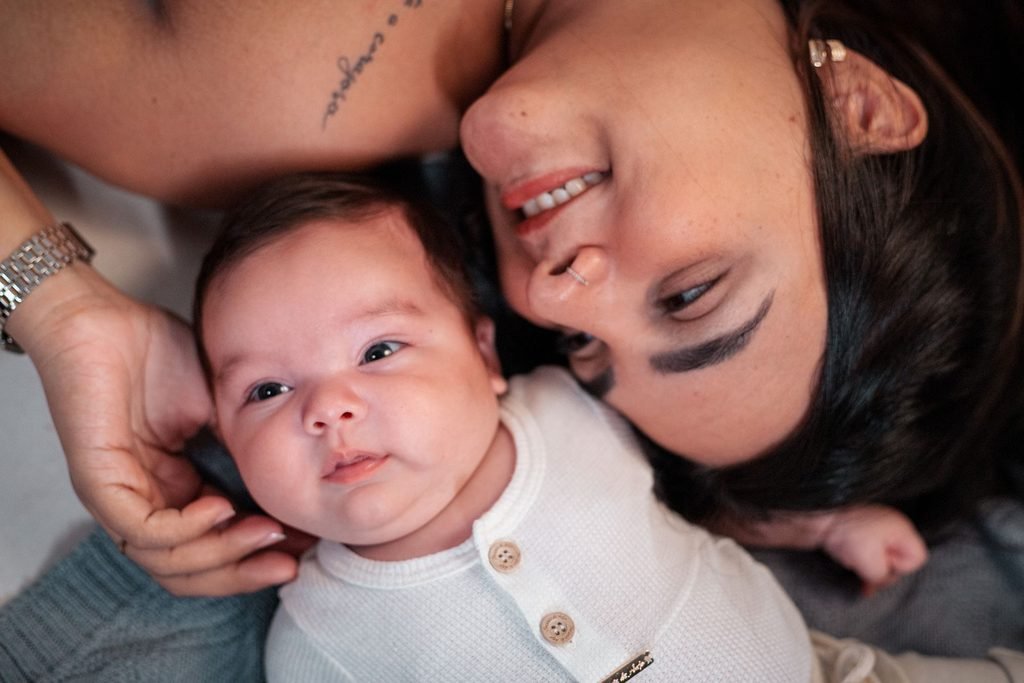
Knowing about common postpartum issues can help new moms. Taking steps early can make recovery smoother and improve mental health.
7. Creating an Effective Postpartum Care Plan
Creating a postpartum care plan is key for new moms. It covers physical, emotional, and breastfeeding needs. Every mom’s journey is different, so care must be tailored to her.
A good postpartum care plan includes:
- Checking on physical healing with follow-up visits
- Screening for mental health issues
- Help with breastfeeding to tackle challenges
- Advice on nutrition for healing
- Talks on birth control for planning the family
- Lessons on caring for the newborn
Healthcare teams are crucial for better outcomes. Obstetricians, nurses, lactation consultants, and mental health experts work together. They offer complete support, making sure moms get the help they need.
Planning helps moms speak up for their care. Getting the right resources can make a big difference. Each part of the care plan helps moms adjust to being a mom smoothly.
“An effective postpartum care plan is a roadmap for recovery and well-being.”
By focusing on these key areas, new moms can face the postpartum period with confidence and support.
8. Importance of Postpartum Follow-Up and Medical Monitoring
Postpartum recovery is a key time for new moms. Regular check-ups help them heal right and catch any problems early. ACOG suggests certain times for these visits to help moms during this important phase.
Timing and Frequency of Postnatal Visits
New moms should see a doctor within three weeks after giving birth. A full check-up is advised by 12 weeks. This schedule lets doctors:
- Watch how the body heals
- Check blood pressure
- Help with any breastfeeding issues
Screening for Complications and Mood Disorders
These visits are crucial for spotting potential issues. Doctors will look at:
- How wounds from surgery are healing
- Any signs of high blood pressure
- Signs of postpartum depression and anxiety
Finding these problems early can greatly help moms. Taking care of both physical and mental health is key for a good recovery.
9. Comfort and Hygiene Essentials for Postpartum Recovery
Recovering after childbirth can be tough. But, the right comfort and hygiene items can help a lot. New moms need specific supplies to heal and feel better. Here are some key items for a smoother transition into motherhood.
Postpartum Supplies: Peri Rinse Bottles, Sitz Baths, and Supportive Underwear
Here are some must-have postpartum supplies:
- Peri rinse bottles for gentle cleansing after childbirth.
- Sitz baths to relieve perineal discomfort and promote healing.
- Supportive underwear that provides abdominal and pelvic support.
These items help with comfort and healing during postpartum recovery.
Pain Relief and Healing Aids
It’s important to manage pain well for recovery. Here are some aids to consider:
- Over-the-counter pain relief medications like ibuprofen, safe for breastfeeding mothers.
- Stool softeners to ease bowel movements and prevent strain.
- Witch hazel and numbing sprays for hemorrhoid and perineal discomfort.
Having a postpartum care kit with these items can greatly improve comfort and support healing during this important recovery period.
| Item | Purpose | Benefits |
|---|---|---|
| Peri Rinse Bottle | Gentle cleansing | Reduces irritation and promotes hygiene |
| Sitz Bath | Soothing relief | Alleviates soreness and swelling |
| Supportive Underwear | Support | Provides compression and pelvic floor support |
| Pain Relief Medications | Pain management | Safe options for breastfeeding mothers |
| Stool Softeners | Ease bowel movements | Prevents strain during recovery |
| Witch Hazel | Topical aid | Reduces discomfort from hemorrhoids |
10. Recovery Differences: Vaginal Birth Versus C-Section
Recovery after delivery changes a lot between vaginal births and C-sections. Knowing these differences helps new moms get ready for their healing journey. Each delivery method has its own recovery times and challenges.
After a vaginal birth, mothers often face:
- Perineal soreness or tearing
- Swelling in the vaginal area
- Faster mobility, allowing for quicker return to daily activities
- A typical recovery period of 4-6 weeks
On the other hand, C-section recovery includes:
- Healing of the abdominal incision
- Increased pain management needs
- Longer hospital stays, often 2-4 days
- A recovery timeline of 6-8 weeks
Both recovery paths need careful attention to pain and movement. New moms should rest a lot and ask for help. Talking to healthcare providers is key to getting the right care and solving any recovery issues.
11. Supporting Mental Health and Emotional Well-being Postpartum
The postpartum period can be filled with a mix of emotions and challenges for new mothers. It’s important to understand mental health during this time. Many women face symptoms of postpartum depression and anxiety.
Early recognition and treatment can greatly help in recovery. This section will help you identify these symptoms and find the right support.
Recognizing Signs of Postpartum Depression and Anxiety
Postpartum depression and anxiety can show up in different ways. Common signs include:
- Persistent sadness or hopelessness
- Excessive worry or anxiety
- Difficulty concentrating or making decisions
- Changes in sleep or appetite
- Feeling overwhelmed or unable to cope
Screening tools, like the Edinburgh Postnatal Depression Scale, can help spot these conditions early. It’s crucial to act quickly to manage them effectively.
Resources for Emotional Support and Professional Help
There are many resources for new mothers facing postpartum challenges. Here are some options:
- Counseling services with licensed professionals
- Support groups for shared experiences
- Hotlines for immediate assistance
- Online forums and communities for peer support
Seeking help is a sign of strength. Mothers should make their mental health a priority. Strategies like mindfulness and staying connected with others can also boost emotional well-being.
12. Conclusion
Postpartum recovery is a key journey for new moms. It’s important to understand the physical and emotional changes they go through. The body changes a lot, like the uterus shrinking and hair falling out, which can be unexpected.
Knowing about these changes helps manage expectations and find the right care. A structured recovery plan is key for healing. New moms should do safe activities and eat well to help their bodies.
They also need care plans that cover physical and mental health. It’s crucial to get help with breastfeeding and emotional support. This way, they can heal and adjust to their new role.
Being empowered means having knowledge and support. New moms should follow doctor’s advice and take care of themselves. With the right help and understanding, they can face their postpartum recovery with confidence.