


Salmonella bacteria often cause foodborne illness. Salmonellosis symptoms may range from mild stomach problems to life-threatening health risks. These germs spread through contaminated water, raw food, or direct animal contact. Poor hygiene can also let people pass the bacteria to others.
Understanding Salmonellosis Symptoms and treatment is vital for a quick recovery. Staying hydrated helps your body fight the infection effectively. Washing your hands often helps prevent future illness. Watch for warning signs that need professional medical attention.

Key Takeaways
- Salmonella bacteria cause common foodborne illnesses.
- Infection spreads via contaminated food, water, or animals.
- Hydration is a primary step for your recovery.
- Handwashing serves as your best defense against germs.
- Seek medical help if your condition worsens quickly.
1. What Are Salmonella and Salmonellosis?
People often use Salmonella and Salmonellosis as if they mean the same thing. They describe different things. Knowing the difference helps you understand these pathogens and manage recovery.
How Salmonella Bacteria Cause Salmonellosis Disease
At its core, what is Salmonella? It is a group of rod-shaped bacteria that live in animal and human intestines. These Salmonella bacteria usually leave the body through feces and spread through contaminated food or water.
After you swallow them, the bacteria travel to your small intestine. They attach to the gut lining and multiply quickly. This triggers inflammation and causes the common symptoms of Salmonellosis disease.
Salmonella vs. Salmonellosis: Understanding the Difference
Think of these terms as cause and effect. Salmonella names the organism, while salmonellosis names the infection that follows exposure.
When you ask what is Ssalmonella vectaria”almonellosis, you mean the illness caused by these bacteria. Most people recover without specific medical care, but some infections become severe. Knowing Salmonella vs Salmonellosis helps you speak clearly with health care providers.
Why Some Infections Cause Mild Illness and Others Become Dangerous
Illness severity often depends on the bacteria’s specific serotype. Most strains cause stomach and intestinal problems. However, some, such as Salmonella typhio, can cause severe, life-threatening illness.
Your health also affects how your body handles infection. Young children, older adults, and people with weak immune systems face greater risk. The bacteria may enter the bloodstream and spread, so urgent care can prevent serious complications.
2. How Salmonella Is Transmitted
Understanding how is Salmonella transmitted is the first step in protecting your health. Salmonella usually spreads through the fecal-oral route. This means tiny amounts of feces from infected people or animals reach your mouth through contaminated hands, surfaces, or food.
Eating Contaminated Food or Drinking Contaminated Water
Most infections happen when you eat food or drink water contaminated by animal or human waste. Raw meat may become contaminated during processing, and produce may receive contaminated irrigation water. Proper cooking matters because heat kills these pathogens before they reach your plate.
How Is Salmonella Transmitted Between People?
Food is common, but Salmonella can also spread directly between people. Without thorough handwashing after using the restroom, an infected person can spread bacteria to surfaces, food, or others. Strict hygiene matters when someone at home is sick.
Contact With Animals, Reptiles, Poultry, and Chickens With Salmonella
Many animals carry Salmonella in their intestines without signs of illness. You may encounter chickens with Salmonella in backyard coops or touch reptiles and amphibians carrying these germs. Always wash your hands immediately after touching animals or their living environments to prevent accidental ingestion.
Why Salmonella Is Contagious Even When Symptoms Improve
You may ask, is Salmonella contagious even after you feel better? Yes. You can continue shedding the bacteria in your stool for weeks or even months after symptoms resolve. This is why you should keep washing your hands carefully long after recovering from the initial illness.
| Transmission Source | Primary Risk Factor | Prevention Strategy |
|---|---|---|
| Contaminated Food | Raw or undercooked items | Cook to safe temperatures |
| Live Animals | Handling pets or livestock | Wash hands after contact |
| Infected Persons | Poor hygiene practices | Frequent handwashing |
| Water Sources | Untreated or tainted water | Use filtered or boiled water |
3. Eggs, Vegetables, and Other Common Salmonella Sources
Everyday foods may surprise you because they can carry harmful bacteria. Many foods can harbor pathogens that cause Salmonella food poisoning symptoms, not just meat.
How Raw or Undercooked Eggs Can Spread Salmonella
Eggs can carry infection even when they look healthy. Bacteria may contaminate the yolk before the shell forms. Always cook eggs until both the yolk and white are firm to destroy possible bacteria.
Handling Raw Poultry and Foods Made With Uncooked Eggs
Raw poultry often carries bacteria that spread through juices touching surfaces or utensils. Take care with raw cookie dough, hollandaise sauce, and Caesar dressing made with raw eggs. Using pasteurized eggs is a simple and effective way to lower your risk of Salmonella food symptoms.
Can Vegetables Carry Salmonella?
Fresh produce can become contaminated, even when people eat it raw. Bacteria may survive on fruits and vegetables, so proper preparation protects your health.
How Produce Becomes Contaminated Before It Reaches Your Kitchen
Produce can become contaminated in fields through water, soil, or animal waste. After harvest, it may spread bacteria to other items during transport or storage. Therefore, thorough cleaning matters wherever you bought the food.
When Washing, Peeling, Cooking, or Refrigerating Vegetables Helps
Several steps can greatly lower your illness risk. Follow these practices to keep produce safe:
- Wash all fruits and vegetables under running water before eating or cutting.
- Peel items like cucumbers or melons when possible to remove surface bacteria.
- Refrigerate cut or peeled produce promptly to prevent bacterial growth.
- Cook vegetables thoroughly if you are serving them as part of a hot meal.
Other Foods Linked to Salmonella Outbreaks
Other foods can sometimes be linked to outbreaks besides eggs and produce. These include unpasteurized milk, soft cheeses, peanut butter, and flour. Check food recalls and practice good kitchen hygiene to help avoid salmonella food symptoms.
4. Salmonellosis Symptoms and Treatment: What to Expect
If you suspect food poisoning, knowing what to expect can help you recover. Understanding the usual salmonellosis symptoms and treatment helps you monitor your health and act when needed.
Early Salmonellosis Symptoms and Typical Timing
Most people notice salmonellosis symptoms six hours to three days after exposure. The timing can change based on the amount of bacteria swallowed and your overall health.
Diarrhea, Stomach Cramps, and Abdominal Pain
The most common signs of Salmonella affect your digestive tract. You may have sudden, painful stomach cramps and frequent, watery diarrhea. Blood or mucus in your stool requires closer medical attention.
Fever, Nausea, Vomiting, Headache, and Chills
You may also have systemic Salmonella symptoms, such as fever or chills. Nausea and vomiting often occur with a lasting headache. These reactions show that your body is fighting the bacteria.
The body’s inflammatory response to bacterial infection often manifests as a fever, which is a natural defense mechanism intended to inhibit bacterial growth.
Salmonella Food Symptoms in Children and Adults
The main Salmonella food symptoms are similar across age groups. Children and older adults may have more severe reactions. Children may become tired or irritable, while adults may report stronger muscle aches; children also lose fluids faster and face higher complication risks.
How Long Salmonella Symptoms Usually Last
For most healthy people, the illness ends without special treatment. The most intense phase usually lasts four to seven days. Bowel habits may take a few weeks to return to normal after other symptoms fade.
Signs That Dehydration Is Developing
One critical signs of Salmonella concern is dehydration. Diarrhea and vomiting cause major fluid loss, so track your hydration carefully.
| Indicator | Mild Dehydration | Severe Dehydration |
|---|---|---|
| Urine Output | Reduced frequency | Little to no urine |
| Mouth Condition | Dry or sticky | Parched and cracked |
| Mental State | Mild fatigue | Confusion or dizziness |
| Physical Signs | Thirst | Sunken eyes |
If you notice these warnings, prioritizing fluid replacement is essential. Consult a professional if you cannot keep liquids down for more than a few hours.
5. Step-by-Step: What to Do When Symptoms Begin
Feeling better begins with a few simple steps at home. Most cases resolve alone, but effective Salmonellosis treatment needs careful monitoring and supportive care.
Step 1: Assess Your Symptoms and Risk Factors
Monitor your condition closely. Note when symptoms began and how severe they are, especially if you later need a doctor.
Check whether you belong to a high-risk group, such as young children, older adults, or people with weak immune systems. Recognizing your specific risk level helps you decide how soon to seek professional medical advice.
Step 2: Start Replacing Lost Fluids and Electrolytes
Diarrhea and vomiting can quickly cause dehydration, the illness’s most common complication. Drinking fluids is a key part of proper Salmonellosis treatment.
- Drink small, frequent sips of water throughout the day.
- Use oral rehydration solutions like Pedialyte to restore essential salts.
- Incorporate clear broths or electrolyte-rich sports drinks if tolerated.
Step 3: Choose Gentle Foods as You Recover
As your stomach settles, slowly add bland, easy-to-digest foods. Avoid heavy, greasy, or spicy meals that can irritate your digestive tract.
Choose these foods to support your recovery:
- Plain white rice or crackers.
- Bananas and applesauce.
- Boiled potatoes or dry toast.
Step 4: Rest and Reduce the Risk of Spreading Infection
Your body needs energy to fight the bacteria. Rest and avoid strenuous activities until you feel fully recovered.
The bacteria spread easily, so practice strict hygiene. Wash your hands well with soap and water after every bathroom visit.
Step 5: Avoid Unsafe Self-Treatment
You may want medicine to stop symptoms quickly, but some remedies can cause problems. Proper salmonellosis treatment supports your body instead of blocking its natural defenses.
When to Avoid Antidiarrheal Medicines
Avoid over-the-counter antidiarrheal medicines unless a healthcare provider tells you to use them. These drugs can slow digestion and keep bacteria in your body longer.
Why You Should Not Use Leftover Antibiotics
Never take leftover antibiotics from earlier illnesses. They may not work against this bacteria and can disrupt your natural gut flora, making recovery harder.
6. When to Seek Medical Care for Salmonellosis
Many foodborne illnesses resolve on their own, but some situations need immediate medical attention. Recognizing the signs of salmonella needing medical care protects your health.
Emergency Warning Signs That Require Immediate Help
Some symptoms show that your body is struggling with the infection. If you notice these warning signs, seek emergency care immediately.
Severe Dehydration, Fainting, Confusion, or Inability to Drink
Dehydration is common, but it can become life-threatening quickly. Watch for extreme thirst, dry mouth, little to no urination, or dizziness when standing. If you feel confused or faint, or cannot keep fluids down, go to the emergency room immediately.
Diarrhea is expected, but blood in your stool is a serious concern. Seek help for intense abdominal cramping that does not stop or vomiting you cannot control. These symptoms may signal an invasive infection needing clinical treatment.
When Adults Should Contact a Healthcare Professional
Contact your doctor if you have a high fever, typically above 102°F, even without emergency symptoms. Reach out if diarrhea lasts more than three days without improvement. Early medical advice can support your recovery.
When Infants, Older Adults, Pregnant People, and Immunocompromised People Need Care
Some groups face a much higher risk of severe illness. Infants, older adults, and people with weakened immune systems should contact a healthcare provider after the first signs of Salmonella. Pregnant people should also seek medical guidance promptly because infection may risk both the parent and the developing baby.
Can Salmonella Kill You?
Many people wonder, can Salmonella kill you? Most healthy people recover fully, but rare, severe cases can be fatal. This usually occurs when bacteria spread beyond the digestive tract and cause systemic problems.
Serious Complications Such as Bacteremia, Sepsis, and Meningitis
If bacteria enter your bloodstream, they can cause bacteremia, a serious blood infection. This can lead to sepsis, a life-threatening response to infection, or meningitis.
Meningitis inflames the membranes around the brain and spinal cord. These complications are dangerous, so knowing the answer to can Salmonella kill you helps you take symptoms seriously.
7. How Salmonellosis Is Diagnosed and Treated
When you suspect this illness, understanding diagnosis and treatment can provide peace of mind. Healthcare providers use your medical history and lab evidence to confirm the infection.
How Is Salmonella Diagnosed?
Clinicians start by reviewing your recent food intake and possible animal exposure. Symptoms can resemble other stomach illnesses, so testing must confirm the bacteria.
Stool Culture and Other Laboratory Tests
The most common method to determine how is Salmonella diagnosed is a stool culture. A lab technician checks your stool sample for bacterial growth.
In some cases, doctors may order blood tests when they suspect infection has spread beyond the digestive tract. These tests identify the specific bacterial strain causing your illness.
When Testing May Identify an Outbreak or Drug-Resistant Strain
Public health officials use advanced genetic tests to link your case to a larger outbreak. This helps track contaminated food sources across the country.
“Early detection of drug-resistant strains is vital for effective public health intervention and individual patient management.” — Clinical Infectious Disease Guidelines
Fluids, Electrolytes, and Supportive Care
For most people, the primary treatment is supportive care. Your body needs help replacing water and salts lost through diarrhea and vomiting.
- Drink plenty of clear liquids like water or broth.
- Use oral rehydration solutions to restore electrolyte balance.
- Avoid caffeine and alcohol, which can worsen dehydration.
When an Antibiotic for Salmonella Diarrhea May Be Prescribed
You might wonder if an antibiotic for Salmonella diarrhea is the right choice for recovery. In many cases, doctors avoid these drugs because they may prolong how long bacteria remain in your body.
People More Likely to Need Antibiotic Treatment
Antibiotics are usually reserved for patients at high risk of severe complications. This includes infants, adults over 65, and people with weakened immune systems.
Why Antibiotics Are Not Necessary for Every Infection
For healthy adults, the infection usually resolves on its own. Overusing antibiotics can lead to antibiotic resistance, making future infections harder to treat.
How Healthcare Professionals Treat Severe or Extraintestinal Infection
If bacteria enter the bloodstream or spread to other organs, the infection becomes serious. Doctors then give intravenous antibiotics in a hospital setting.
| Condition | Treatment Focus | Setting |
|---|---|---|
| Mild Infection | Hydration & Rest | Home |
| Severe Infection | IV Antibiotics | Hospital |
| Complications | Specialized Care | Hospital |
Is Salmonellosis Curable?
Many patients ask, “is salmonellosis curable?” The answer is yes, and most people recover fully with rest and hydration.
Expected Recovery and the Possibility of Continued Bacterial Shedding
You may feel better within a week, but your body might still carry the bacteria. This is called bacterial shedding, which means you can still pass the infection to others after symptoms stop.
Always follow your doctor’s hygiene advice until you are completely clear of the bacteria. Strict handwashing remains the best way to protect your family during this period.
8. How to Prevent Salmonella Infection at Home
You can lower your risk of Slmonellosis by using a few simple habits at home. Handle, prepare, and store food safely every day.
Wash Your Hands at the Right Times
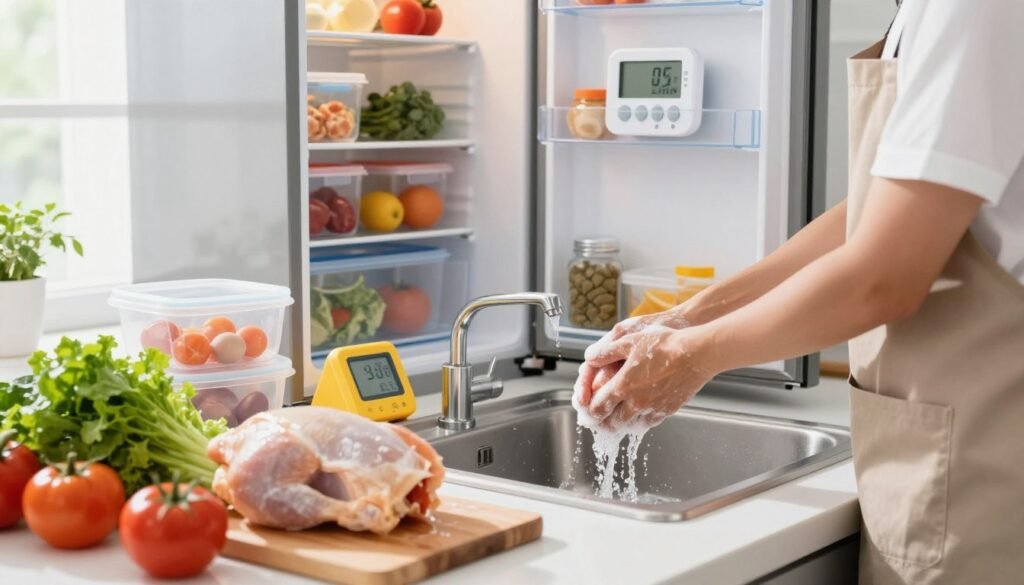
Hand hygiene is your first defense against bacteria. Wash your hands with soap and warm water for at least 20 seconds before preparing meals.
Wash your hands immediately after touching raw meat, poultry, or eggs. Also scrub after using the bathroom, changing diapers, or handling pets, because germs can reach kitchen surfaces.
Cook Eggs, Poultry, Meat, and Other Foods Safely
Cook food to the correct internal temperature to kill harmful bacteria effectively. Use a reliable food thermometer to confirm safe temperatures.
Poultry should always reach an internal temperature of 165°F. Cook ground meats to 160°F, and cook whole cuts of beef, pork, and lamb to at least 145°F, then rest them for three minutes.
Prevent Cross-Contamination in Your Kitchen
Cross-contamination happens when bacteria from raw foods reach ready-to-eat items. Keep these foods separate to help prevent salmonellosis at home.
Use Separate Cutting Boards and Utensils for Raw Foods
Designate specific cutting boards for raw meat and poultry. Never use one for fresh produce or bread unless thoroughly sanitized.
Use separate knives and utensils for raw proteins. This habit prevents bacteria from reaching foods that will not be cooked further.
Clean Counters, Sinks, and Reusable Grocery Bags
Bacteria can remain on surfaces after cooking ends. Wipe countertops and sinks with hot, soapy water or disinfectant after every meal preparation.
Do not overlook reusable grocery bags. Wash them regularly, especially after carrying raw meat or produce, to keep your kitchen clean.
Wash and Store Produce Safely
Even healthy vegetables can carry bacteria from contaminated soil or water. Rinse all fresh fruits and vegetables under running tap water before peeling or cutting them.
Use a clean brush for firm produce like melons or cucumbers. Store washed produce in a clean, dedicated refrigerator area away from raw meat juices.
Refrigerate Perishable Foods Promptly and Follow Recalls
Bacteria grow quickly at room temperature. Refrigerate perishable foods within two hours of cooking or shopping to help protect your family from salmonellosis.
Check official websites like the FDA, USDA, and CDC for food recall notices. If a pantry product is recalled, discard it immediately to remove the infection risk.
9. How to Protect Others During Recovery
When you recover from a bacterial infection, focus on stopping germs from reaching other people. Effective Salmonella transmission prevention depends on careful daily habits and safe interactions at home.
Stay Home When Diarrhea or Vomiting Is Active
The best way to stop bacteria from spreading is limiting contact while symptoms continue. Stay home and avoid social gatherings until your symptoms have fully ended. Staying isolated helps prevent contamination in public spaces and protects your community.
Practice Careful Bathroom and Laundry Hygiene
Bacteria can remain on surfaces long after restroom use. Wash your hands with soap and warm water for at least twenty seconds after every bathroom visit. Wash soiled clothing and bed linens in hot water to remove lingering pathogens.
Keep Food Preparation Responsibilities to Yourself Until It Is Safe
Do not prepare meals for others while you have active symptoms. Even when you feel better, your hands may still carry bacteria that can contaminate food. Salmonella transmission prevention means avoiding shared kitchen surfaces and food until a healthcare provider confirms you are no longer contagious.
Protect Children, Older Adults, and People With Weakened Immune Systems
Vulnerable people in your household face a higher risk of severe complications from infection. Keep a safe distance and avoid sharing towels, utensils, or other personal items. If you share a room, wash your hands often and disinfect surfaces to protect them.
Follow Public Health or Healthcare Guidance About Returning to Work, School, or Child Care
Do not rush back to public life before you are medically cleared. Many jobs, especially food service and childcare, require specific testing to ensure you are no longer shedding bacteria. Ask your doctor or local health department when it is safe to resume your normal routine.
Know When Ongoing Symptoms Need Follow-Up Care
Recovery should steadily improve. Contact your healthcare provider if symptoms do not improve or return after brief relief. Persistent illness may require more testing or a treatment change to support full recovery.
10. Conclusion
Recovering from salmonellosis takes patience and careful attention. Most people find that recovery from salmonellosis takes four to seven days with rest and fluids.
You play a vital role in your own healing by watching your symptoms closely. Stay hydrated and choose gentle foods to help your body regain strength. Recovery from salmonellosis also means avoiding the spread of bacteria to others.
Raw eggs, fresh vegetables, and household surfaces can still carry risks after you feel better. Keep strict hygiene habits to protect your family and community. Wash your hands often, and avoid preparing meals for others until symptoms fully resolve.
Contact a healthcare professional if you notice warning signs of severe illness. Prompt medical care is safest for high-risk people or those with persistent, dangerous symptoms. During recovery from salmonellosis, stay informed and follow public health guidance.